
As a professional manufacturer of bamboo fiber compostable bags with over 14 years of deep experience in the packaging industry, we are most committed to solving doubts and avoiding risks for customers who are forced to switch to eco-friendly packaging due to environmental regulations and have not yet established stable cooperation trust.
In March of this year, we received inquiries from an Italian trader and a UK private label buyer who intended to replace their product packaging with eco-friendly alternatives. They raised highly similar questions: will industrial compostable bags biodegrade in landfills, whether our eco-friendly bags comply with European and American regulations, biodegradable bags vs compostable bags, and how to select suitable packaging bags for their products. Previously, their two former packaging suppliers confused the degradation attributes and applicable environments of eco-friendly bags, leading to terminal customer doubts about their professionalism and even brand reputation compensation losses. We have witnessed numerous such non-professional selection pitfalls in the industry.
This article will focus on analyzing Why Industrial Compostable Bags Can’t Biodegrade Landfills, and disassemble the core reasons from four key dimensions: temperature conditions, microbial environment, oxygen environment, and pH value. It aims to help overseas distributors and brand purchasers find reliable and stable compostable bags manufacturers and avoid packaging selection risks.
Navigation Directory:
Ⅰ: Core Differences Among Three Degradation Environments
Ⅱ: Risks of Misunderstanding Degradation Environments
Ⅲ: Product Scenario Comparison
Ⅳ: Summary & Consulting Guidance
Ⅰ: Core Differences Among Three Degradation Environments
1. Definitions of the Three Environments
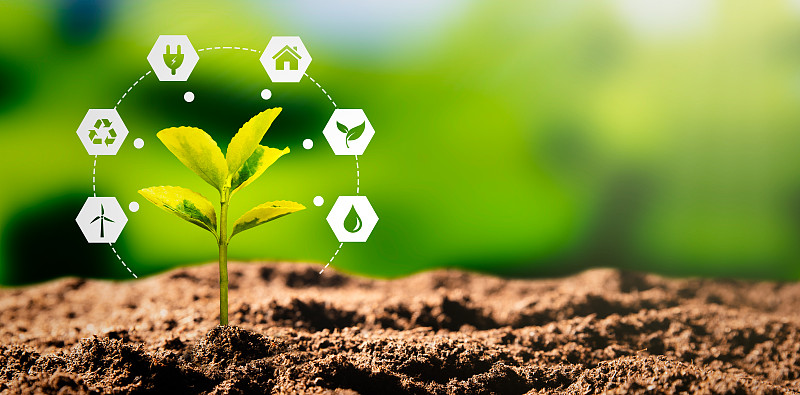
(1)Industrial Composting: It is an artificially controlled, large-scale, continuous aerobic high-temperature and high-humidity biodegradation system, corresponding to the standard degradation environment for EU EN13432 and US BPI compostable certification. Complete degradation can be achieved within 90-180 days.
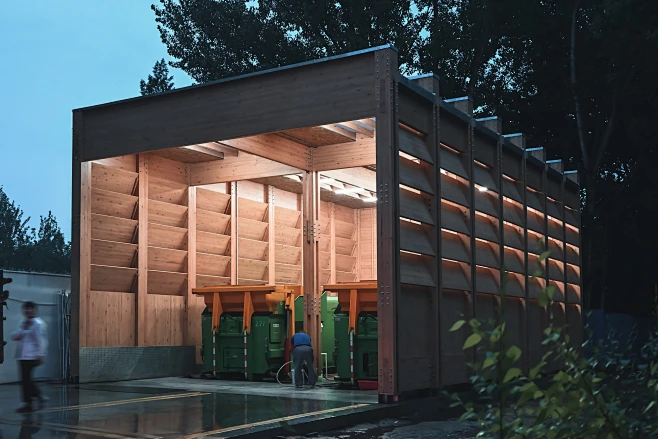
(2)Home Composting: A small-scale non-industrial normal-temperature composting environment (natural environment), such as courtyards, home compost bins, and community composting areas, which complies with the OK Compost Home standard. Its degradation cycle is usually more than 180 days.
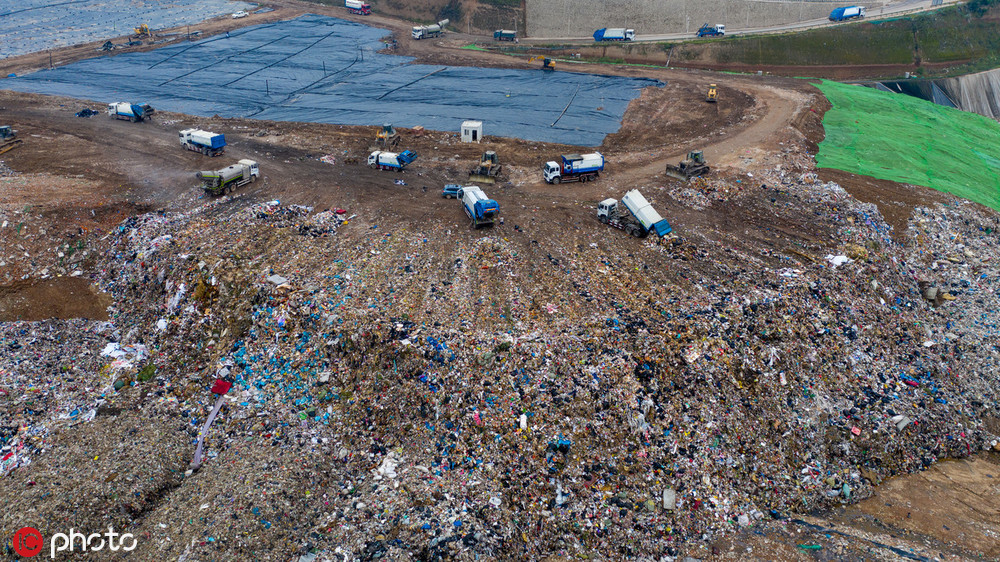
(3)Regular Landfill: Urban domestic waste landfills form a closed anaerobic environment due to layered compaction and coverage of waste, with no regulated heating, ventilation or microbial cultivation processes. In such an environment, degradation takes decades or even fails to occur permanently. Many buyers often wonder do compostable bags break down in landfill, and the clear answer is negative in most cases.
2、Four Core Environmental Differences: Temperature, Microorganism, Oxygen, pH Value
(1) Temperature Conditions
Industrial Composting: Maintains a stable continuous temperature of 55-70°C. This temperature range is the only trigger temperature to activate the degrading enzymes of PLA and bamboo fiber compostable materials, and it is also a mandatory requirement of the EU EN13432 compostable certification standard.
Home Composting: Natural room temperature of 20-40°C, rarely exceeding 40°C without continuous high temperature support. The insufficient temperature fails to trigger the degradation reaction of industrial-grade compostable materials and only decomposes simple biomass.
Regular Landfill: Constant normal temperature with no continuous high-temperature fermentation stage, which never reaches the degradation threshold of industrial compostable materials, leaving the materials in a permanent dormant and non-degradable state. For this reason, people always question compostable bags in a regular landfill ever go away, and the answer is no.
(2) Microbial Environment
Industrial Composting: Equipped with thermophilic high-temperature dedicated degrading flora with high activity and stable quantity, which can specifically break the molecular chains of bamboo fiber, PLA and other bio-based materials, serving as the only flora that can completely decompose industrial compostable bags.
Home Composting: Only common normal-temperature microorganisms with few species and weak activity, which can only decompose simple organic matter and cannot break the polymer structure of industrial-grade compostable materials.
Regular Landfill: Mixed flora dominated by anaerobic putrefactive bacteria, without any thermophilic degrading flora, completely lacking the basic conditions for compostable degradation.
(3) Oxygen Conditions (Core Factor)
Industrial Composting: Forced ventilation creates a 100% aerobic environment with sufficient oxygen to maintain active microbial metabolism and continuous degradation reactions.
Home Composting: Natural ventilation with medium oxygen content and intermittent hypoxia, resulting in slow and unstable degradation reactions, belonging to a weak aerobic environment.
Regular Landfill: Completely anaerobic due to layered compaction and sealing. The degradation of industrial compostable materials relies entirely on an aerobic degradation mechanism, and oxygen deficiency will directly terminate the degradation reaction. This is the primary reason why can compostable bags go to landfill but cannot degrade therein.
(4) pH Value (Acid-Base Environment)
Industrial Composting: Stable neutral pH value of 6.5-7.5, which is most suitable for the survival of degrading microorganisms and maximizes degradation efficiency with fully controllable environmental standards.
Home Composting: Unstable pH value with large fluctuations, only suitable for the decomposition of simple organic matter.
Regular Landfill: Accumulated leachate leads to acidic and disordered acid-base environment, which inhibits and even kills degrading microorganisms, completely failing to support biodegradation.
3、(1)In summary, the degradation of industrial compostable bags requires four simultaneous conditions: continuous high temperature, specific thermophilic flora, sufficient aerobic oxygen, and stable neutral pH environment.
(2)In contrast, regular waste landfills feature normal temperature, mixed putrefactive bacteria, anaerobic conditions and disordered acid-base balance, which are completely opposite to the degradation requirements of industrial compostable bags. Therefore, industrial compostable bags cannot biodegrade in regular landfills.
| Core Dimension | Industrial Composting | Home Composting | Regular Landfill |
| Temperature Condition | Continuous high temperature of 55-70°C | 20-40°C normal temperature, no continuous high temperature | Normal temperature with no high temperature (fails to meet degradation threshold) |
| Microbial Environment | Special thermophilic degrading flora (decomposes industrial compostable materials) | Common normal-temperature microorganisms (only decomposes simple organic matter) | Anaerobic putrefactive mixed bacteria (no degradation capacity) |
| Oxygen (Core) | 100% aerobic with forced ventilation | Weak aerobic with natural ventilation | Severe hypoxia & anaerobic environment (restricts aerobic microbial activity) |
| pH Value | 6.5-7.5, neutral and stable | Unstable with large acid-base fluctuations | Disordered and acidic (inhibits degrading microorganisms) |
| Adaptability for Industrial Compostable Bags | ✅ Fully adaptable and degradable | ❌ Inadaptable, unable to initiate degradation | ❌ Completely inadaptable, long-term retention without degradation |
(3)The degradation of industrial compostable bags is completely dependent on an aerobic environment. The compacted and closed anaerobic state of regular landfills directly terminates the degradation process, which is the fundamental reason for the non-degradation of industrial compostable bags in landfills.
Ⅱ: Risks of Misunderstanding Degradation Environments
1、According to the US FTC’s Green Guides(https://www.ftc.gov/sites/default/files/attachments/press-releases/ftc-issues-revised-green-guides/greenguides.pdf), misleading and false environmental marketing claims are defined as unfair or deceptive commercial practices.
(1)Many eco-friendly bag suppliers exaggerate product functions, obscure composting concepts and overstate environmental protection advantages, making uninformed terminal customers overestimate the environmental performance and applicable scenarios of products. A typical misconception reflected in market inquiries is the confusion between biodegradable bags vs compostable bags, which leads to blind product selection.
(2)Common false promotion statements include “100% pure plant fiber eco-friendly bags” and “naturally degradable in any environment”. In fact, most certified products (EU EN13432, US BPI) can only degrade normally in industrial composting environments, and such vague promotion will be identified as misleading environmental marketing.
2、B2B practitioners generally have three typical wrong cognitions about product degradation:
(1)Biodegradable does not mean degradable in all environments; different eco-friendly packaging products correspond to exclusive degradation environments.
(2)Compostable does not mean automatic degradation in regular landfills; compostable products require specific professional composting conditions to decompose.
(3)Supplier-labeled eco-friendly does not equal authentic environmental compliance; products must be equipped with local official environmental certifications and test reports.
3、Misunderstanding these core concepts will lead to multiple operational risks:
(1)mismatch between certification qualifications and local regulations resulting in invalid environmental promotion;
(2)inconsistent product publicity and actual performance triggering commercial fraud accusations and brand reputation damage;
(3)unprofessional supplier promotion making downstream customers question professionalism and lose orders;
(4)inconsistent product labels and certifications causing customs detention and administrative penalties.
Ⅲ: Product Scenario Comparison
When selecting eco-friendly packaging, purchasers should not only focus on environmental-friendly materials, but also prioritize the final disposal environment of the packaging. As a professional custom eco friendly bags manufacturer, we summarize targeted packaging selection solutions for three mainstream disposal scenarios.
1. Industrial Composting Scenarios
Scenario features: high temperature and humidity, sufficient aerobic oxygen, abundant microorganisms, stable neutral pH value. For packaging destined for industrial composting facilities, purchasers should choose industrial-grade compostable bags certified by EU EN13432 or US BPI standards to ensure complete and efficient degradation. It is worth noting that such bags only degrade professionally in industrial composting systems and cannot degrade rapidly in natural environments or regular landfills.
2. Home Composting Scenarios
Scenario features: normal temperature without continuous high temperature, weak aerobic environment, common microorganisms, fluctuating pH value. Home composting environments cannot achieve manual temperature control, resulting in low microbial activity and slow degradation speed. Therefore, buyers need to cooperate with reliable eco friendly bags suppliers and select products with OK Compost Home certification to ensure gradual degradation into water, carbon dioxide and biomass in home composting scenarios.
3. Regular Landfill Scenarios
Scenario features: normal temperature without high temperature, complete anaerobic environment, putrefactive bacteria, disordered acidic pH value. Industrial compostable bags are completely unsuitable for landfill disposal and will remain intact for decades. In this case, purchasers are advised to choose durable conventional packaging or recyclable packaging.
Ⅳ: Summary & Consulting Guidance
1、To conclude, industrial compostable bags require four essential degradation conditions: high temperature, abundant degrading microorganisms, sufficient aerobic environment and stable neutral pH value. In contrast, regular landfills have normal temperature, putrefactive miscellaneous bacteria, complete anaerobic environment and disordered acid-base balance. The completely opposite environmental conditions are the fundamental reason why industrial compostable bags fail to biodegrade in landfills, among which the anaerobic environment is the core restrictive factor.
2、Our factory’s bamboo fiber compostable bags have obtained EU EN13432 compostable certification and passed multiple authoritative SGS tests including PPWR, ROHS, REACH and PFAS. As a professional biodegradable garment bags manufacturers, we support customized services including gram weight, size, pattern and LOGO printing OEM customization. Contact us now to get your exclusive customized eco-friendly packaging solution!