
Why It Is Important to Understand the Shelf Life, Storage Conditions and Recycling Methods of Compostable Bags
1、Risks Caused by Improper Storage and Management of Compostable Bags
| Risk Category | Specific Manifestations | Causes | Impacts on Buyers |
| Shortened Shelf Life | Advanced performance degradation and shortened product service cycle | Long-term exposure to high temperature and high humidity accelerates the aging of raw materials | Leads to premature product scrapping, increases inventory loss and raises overall procurement costs |
| Reduced Physical Performance | Decreased tensile strength, tear resistance and load-bearing capacity of compostable bags | Bamboo fiber absorbs moisture or endures high temperatures for a long time, resulting in changed fiber structure | Products are easy to damage during use, ruining end-user experience and increasing after-sales complaints |
| Advance Degradation Changes | Reduced bag strength, softened texture and abnormal surface conditions | Excessive humidity, active microbes and other unsuitable storage conditions | Failed to meet the standardized packaging requirements of brand buyers |
| Deteriorated Appearance Quality | Abnormal color change, surface damage and peculiar odors | Long-term direct sunlight, strong ultraviolet radiation and high humidity environment | Lowers brand packaging grade and damages overall brand image |
| Unstable Product Performance | Uneven performance of products in the same batch | Differentiated warehousing environments lead to inconsistent product aging speed | Complicates inventory management and increases quality control pressure |
| High Inventory Loss | Near-expiry products cannot be sold or used normally | Lack of scientific and standardized inventory management systems | Increases additional warehousing and procurement costs |
| Customer Complaint Risks | Customers find obvious quality differences after receiving goods | Managers are unfamiliar with the standard storage specifications for compostable bags | Triggers returns and compensation claims, reducing supplier credibility |
| Green Promotion Risks | Actual product performance fails to match brand environmental promotion commitments | Improper storage causes product performance degradation | Harms brand reputation and may trigger industry compliance risks |
In short, the biggest hidden danger of incorrect compostable bag storage is not immediate degradation, but gradual physical performance decline, rising operating costs, economic losses and weakened customer trust in eco-friendly packaging. Many merchants also wonder does bagged compost expire, reflecting the universal demand for standardized storage management in the industry.
2、Standard Storage and Recycling Methods for Compostable Bags
Scientific storage and professional recycling can effectively retain the original performance of compostable bags and ensure a complete sustainable lifecycle. As mentioned in our article “Biodegradable Bags vs Compostable Bags: Key Differences Explained,” full degradation of compostable bags requires specific conditions, including continuous high temperature & high humidity, active microbial activity, an aerobic environment, and a neutral pH value. Many users ask “do compostable bags work” in daily applications, and the answer depends on whether proper storage, usage, and composting conditions are provided. Standardized management is the core guarantee of product practicability and a complete sustainable lifecycle.
Storage Requirements
(1)Room-temperature storage: The warehouse must be cool, dry and well-ventilated, keeping away from direct sunlight, high temperature and high humidity.
(2)Adopt the FIFO (First In, First Out) inventory principle to avoid long-term inventory backlog.
(3)Use well-sealed packaging during transportation to isolate external humid and polluted air.
Recycling & Disposal Methods
(1)Industrial composting is the preferred disposal method for qualified compostable bags.
(2)Never dispose of qualified compostable bags in conventional landfills.
(3)Follow local waste management regulations for standardized disposal. A common industry question is can compostable bags be recycled, and the clear answer is that they require targeted composting instead of ordinary recycling.
3、This article elaborates on the standard warehousing conditions, shelf life rules and professional recycling solutions for compostable bags under conventional environments. It helps overseas distributors and brand buyers avoid inventory waste, brand damage and economic losses. As a professional compostable bags manufacturers, we provide reliable eco-friendly packaging solutions for global clients.

Table of Contents
Ⅰ. Causes of Compostable Bags’ Fixed Shelf Life
Ⅱ. Core Factors Affecting Compostable Bags’ Shelf Life
Ⅲ. Practical Methods to Judge Expired Compostable Bags
Ⅳ. Standard Recycling & Disposal Methods
Ⅴ. Effective Ways to Reduce Inventory Loss
Ⅵ. Summary & Professional Consulting Guidance
Ⅰ. Causes of Compostable Bags’ Fixed Shelf Life
1、Why Compostable Bags Do Not Degrade Automatically in Conventional Environments
As mentioned in our article “Biodegradable Bags vs Compostable Bags: Key Differences Explained,” compostable bags can only degrade completely under specific conditions, including high temperature & high humidity, intensive microbial activity, a sufficient aerobic environment, and a neutral pH value. Conventional warehouses are cool, dry, and microbially inactive, so compostable bags will not degrade spontaneously and can maintain stable performance throughout their shelf life.
Our factory’s bamboo fiber compostable bags adopt exclusive customized craftsmanship to ensure stable performance during long-term warehousing and transportation. The degradation mechanism is only activated under standard composting conditions, which also explains can compostable bags go in recycling — they are not suitable for ordinary recycling systems.
2、Why Compostable Bags Have a Fixed Shelf Life
Compostable bags are designed with a fixed shelf life to balance degradability and practical packaging performance. Plant-based raw materials are susceptible to temperature, humidity and oxygen changes, leading to slow material aging over time. Standard storage prevents premature aging and ensures stable use throughout the product lifecycle. As a reliable oem small biodegradable bags manufacturer, we strictly control raw material quality to extend product stability.
3、Service Life Under Standard Warehousing Conditions
Although compostable bags do not degrade in conventional environments, their physical performance will slowly decline over time. Stored in cool, dry, ventilated and light-proof warehouses, compostable bags can maintain 12-24 months of qualified service life. Many users worry does bagged compost go bad after long storage, which can be completely avoided with standardized management.
Ⅱ. Core Factors Affecting the Shelf Life of Compostable Bags
While owning eco-friendly degradability, compostable bags require stable physical performance for daily use. Their shelf life is mainly affected by temperature, humidity and ultraviolet radiation. High-quality products from a professional compostable small bags manufacturer can resist mild environmental changes but cannot withstand extreme conditions.
1、Temperature Conditions
Long-term high-temperature exposure (summer heat, sun-exposed areas) accelerates the aging of plant-based materials.
Long-term low-temperature environments (short-term low temperature causes no harm) will harden the bags and reduce flexibility and user experience.
2、Humidity and Moisture
Persistent high air humidity causes plant fibers to absorb moisture continuously, resulting in softened bags, reduced toughness and load-bearing capacity.
Long-term contact with rain, liquid or humid ground will damage physical performance and affect normal packaging use.
3、Ultraviolet Radiation
Long-term direct sunlight produces intense ultraviolet rays that destroy the internal fiber structure, causing aging and brittleness.
It is recommended to keep original sealed packaging and avoid long-term light exposure.
Ⅲ. Practical Methods to Judge Expired Compostable Bags
Overseas distributors and brand buyers focus heavily on how to test whether stocked compostable bags are usable. The following multi-dimensional testing standards can accurately judge product status and solve the confusion of do bags of compost expire in actual business scenarios.
| Inspection Items | Normal Qualified Status | Possible Expired Status |
| Appearance | Uniform color and smooth surface without spots or wrinkles | Obvious discoloration, spots and abnormal wrinkles |
| Flexibility | Soft texture and comfortable hand feel | Hard, brittle or excessively softened texture |
| Tensile Strength | Resistant to breakage under normal stretching force | Easy to break under slight pulling with reduced stretchability |
| Odor | No peculiar or abnormal odor | Musty odor and other unpleasant smells |
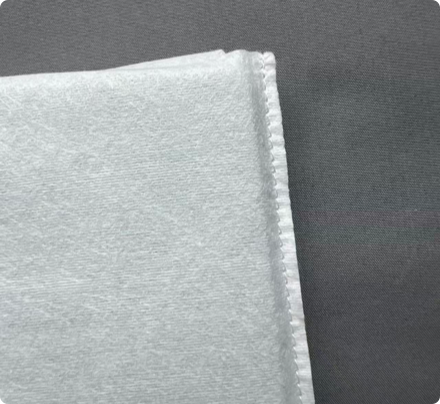
It is worth noting that products exceeding the nominal shelf life are not necessarily invalid. Products stored in cool, dry and ventilated environments can still maintain excellent physical performance after expiration. Therefore, product validity judgment requires comprehensive evaluation of storage time, environment and actual performance.
Ⅳ. Standard Recycling & Disposal Methods
Based on the degradation characteristics of bamboo fiber compostable bags, industrial composting is the optimal disposal method. Products can complete biological decomposition and natural cycle under artificially controlled high temperature, high humidity, microbial activity, aerobic and neutral PH conditions. Disposal standards vary according to product certifications:
| Product Certification | Applicable Disposal Environment |
| EN13432/BPI Industrial Composting Certification | Professional industrial composting facilities |
| OK compost HOME Certification | Household composting environments |
| Uncertified Products | Conventional landfill sites |
Ⅴ. Effective Ways to Reduce Inventory Loss of Compostable Bags
Stable supplier cooperation, reasonable procurement planning, standardized warehousing and scientific inventory management are key to stabilizing product quality and reducing loss. As a reliable eco friendly small gift bags manufacturers, we summarize targeted optimization measures for global merchants:
| Optimization Methods | Specific Measures | Risk Reduction Effects |
| Cooperate with Reliable Suppliers | Choose suppliers with complete qualifications, mature technology and sound quality inspection systems | Reduce batch quality instability and after-sales risks |
| Reasonable Procurement Plans | Arrange procurement volume based on market demand and sales cycle to avoid overstocking | Effectively reduce inventory backlog and product loss |
| Standardize Warehousing Environment | Store products in cool, dry and ventilated warehouses, avoiding sunlight and extreme humidity | Prevent premature material aging and performance degradation |
| Scientific Inventory Management | Record all procurement, warehousing and sales data and implement FIFO management | Improve inventory efficiency and guide reasonable procurement adjustment |
| Regular Product Inspection | Regularly inspect product appearance, flexibility, tensile strength and packaging integrity | Detect potential quality risks in advance |
Ⅵ. Summary & Professional Consulting Guidance
1、Firstly, bamboo fiber compostable bags will not degrade spontaneously in conventional storage environments but have a limited shelf life. Expiry judgment must combine storage time, warehousing conditions and actual performance, rather than relying solely on time limits. Expired or surplus products shall be disposed of according to their certification qualifications to realize green natural circulation. As a professional custom eco friendly bags manufacturer, we provide one-stop customized eco-friendly packaging solutions for global buyers.
2、Secondly, all our compostable bags have obtained EU EN13432 composting certification, comply with the latest PPWR packaging regulations, and pass authoritative SGS third-party tests including ROHS, REACH and PFAS environmental compliance standards.
3、Thirdly, we own a professional R&D and design team, supporting diversified OEM customization services including custom gram weight, size, pattern and brand LOGO printing. Feel free to send your demands to get exclusive eco-friendly packaging solutions!