
With over 14 years of experience in the packaging industry and more than 6‑year expertise in the environmental‑friendly sector, our long‑term service practice has revealed that brand owners seeking sustainable alternatives to conventional plastic packaging demand more than just eco‑raw materials. They want packaging solutions that balance environmental friendliness, functional performance, and brand presentation.
Many procurement managers from eco‑industry companies select unreliable environmental suppliers without fully understanding what are compostable bags. This leads to products failing to meet local market environmental regulations. Consequences include greenwashing claims, under‑performing goods for end‑users, financial losses, and eroded consumer trust in brands.
This article titled What Are Compostable Bags & What to Do With Them covers six core sections to explain what is compostable bag, proper usage, and disposal guidance. It helps eco‑distributors and brand owners pick suitable compost bag options aligned with brand requirements.
Table of Contents:
Ⅱ: Material Composition & Advantages of Compostable Bags
Ⅲ: Why Choose Compostable Packaging
Ⅳ: What to Do With Compost Bags
Ⅴ: How to Select Compostable Packaging
Ⅰ、What Are Compostable Materials? Fundamentals of Sustainable Packaging
1、Definition of Compostable
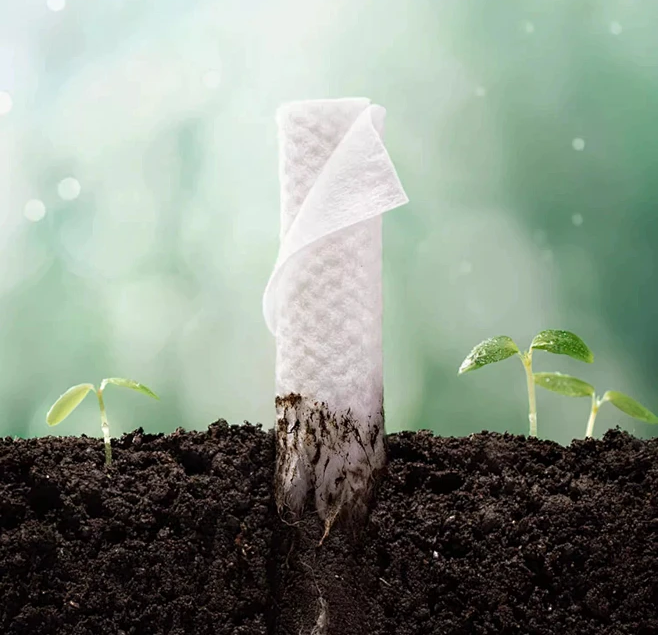
A compostable bags item breaks down into water, carbon dioxide and organic biomass under specific composting conditions. It circulates naturally within ecosystems, serving as a sustainable replacement for brands aiming to cut reliance on traditional plastic packaging.
2、Differences Between Compostable, Biodegradable and Recyclable Packaging
| Packaging Type | Definition | Disposal Conditions | Application Scenarios | Brand Value | Benefits | Limitations |
| Compostable | Breaks down into water, carbon dioxide and organic matter under dedicated composting environments | Industrial or home composting facilities | Apparel bags, shopping bags, gift wrapping, single‑use packaging, food packaging | Eco‑conscious branding, enhanced sustainable brand image | 1. Supports natural ecological circulation 2. Reduces plastic dependency 3. Meets consumer environmental expectations | 1. Requires specific composting conditions 2. Incompatible with conventional plastic recycling streams |
| Biodegradable | Broken down naturally by microorganisms | Dependent on surroundings, temperature, humidity, microbes and timeframes | Single‑use goods, consumer product packaging | Environmental‑friendly positioning, reduced long‑term environmental residue | 1. Natural microbial degradation 2. Lower persistent waste pollution | 1. Unclear degradation timeline & conditions 2. May not fully decompose into harmless substances |
| Recyclable | Reprocessed for reuse via formal recycling systems | Sorted collection and professional recycling infrastructure | PET bottles, cartons, metal packaging, selected plastic packs | Emphasizes resource circularity, supports circular economy | 1. Extends material service life 2. Reduces resource waste | 1. Relies on mature recycling infrastructure 2. Limited recycling efficiency for certain materials |
3、Why Growing Numbers of Brands Turn to Compostable Packaging
| Reasons | Explanation |
| Eco‑Regulatory Trends | Plastic‑ban policies roll out globally; brands proactively adopt sustainable packaging strategies |
| Reduced Plastic Reliance | Compostable materials lower dependence on petroleum‑based plastic packaging |
| Consumer Expectations | Shoppers demand greener packaging solutions driven by tightening environmental rules |
| Improved Brand Reputation | Compostable packaging demonstrates corporate environmental responsibility and builds sustainable brand equity |
| Sustainability Goal Alignment | Matches corporate ESG frameworks and circular‑economy development strategies |
Ⅱ:What Are Compostable Bags Made Of? Materials Behind Eco‑Packaging
1、Roles of PLA, PBAT, Starch‑Based Materials and Bamboo‑Fiber Materials
| Compostable Material | Source | Key Properties | Common Applications |
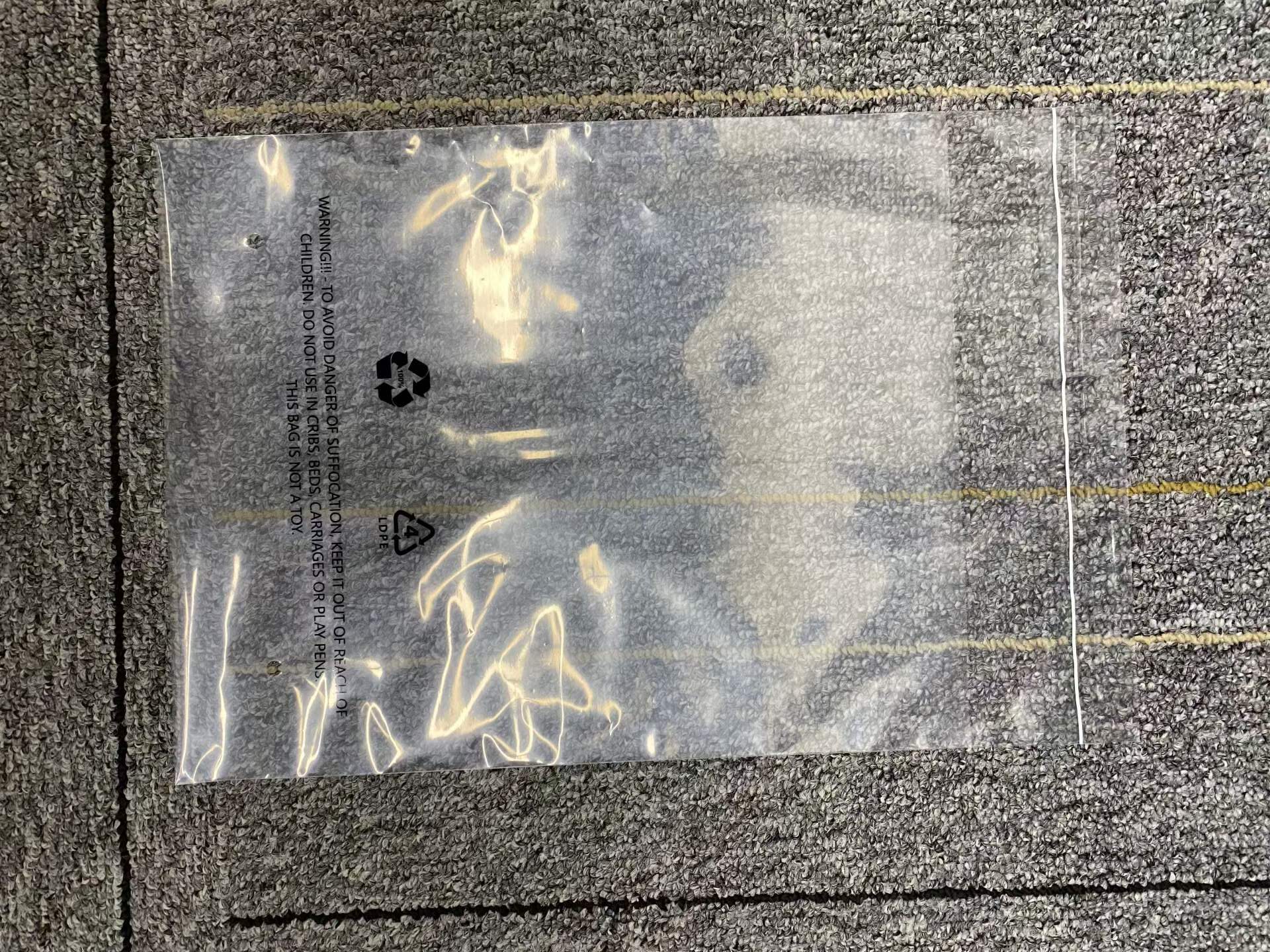
| PLA | Corn starch, sugarcane and other plant‑based feedstocks | Renewable plant resources, good clarity, industrially compostable | Food packaging, transparent pouches, single‑use consumer packaging |
| PBAT | Biodegradable polyester | Superior flexibility and durability; frequently blended with PLA | Shopping bags, waste bin liners |
| Starch‑Based Materials | Corn starch, cassava starch, wheat starch, potato starch | Natural plant origin, strong biodegradability | Single‑use bags, lightweight packaging |
| Bamboo Fiber | Fast‑growing bamboo plants | Renewable natural source, inherent textured appearance, premium tactile finish | Electronics packaging, brand‑custom packs, luxury product wrapping |

2、How Different Materials Influence Bag Performance
| Material | Application Scenarios | Performance Advantages |
| PLA/PBAT | Shopping bags, single‑use packaging | Stiff‑flexible balance, lightweight, tear‑resistant |
| Starch‑Based Materials | Food‑related packaging | Plant‑derived raw materials |
| Bamboo Fiber | Electronics, brand‑oriented packaging, luxury goods wrapping | Premium texture, soft touch, robust durability |
Ⅲ:Why Brands Select Compostable Bags as Eco‑Packaging Solutions
Industries including electronics, high‑end footwear & luggage, and beauty cosmetics are sourcing compostable packaging as competitive pillars within their sustainability roadmaps. Brands adopt these solutions to cut traditional plastic dependency, lift sustainable brand profiles, satisfy consumer eco‑demands, and advance long‑term corporate sustainability targets.
1、Reduce Reliance on Conventional Plastic Packaging
Compostable packaging utilizes plant‑derived sustainable inputs such as PLA, PBAT and bamboo fiber. It lowers dependence on petroleum‑based plastics and mitigates environmental harm brought by conventional plastic packaging.
2、Elevate Your Sustainable Brand Image
Persistent plastic waste from non‑degradable conventional packaging creates severe ecological burdens. Switching to compostable packaging cuts plastic consumption. Its end‑of‑life outputs — carbon dioxide, water, biomass and minerals — safely re‑enter natural cycles. Eco‑packaging serves as a vital carrier for communicating sustainable values and demonstrates brand environmental accountability to the public.
3、Meet Consumers’ Environmental Expectations
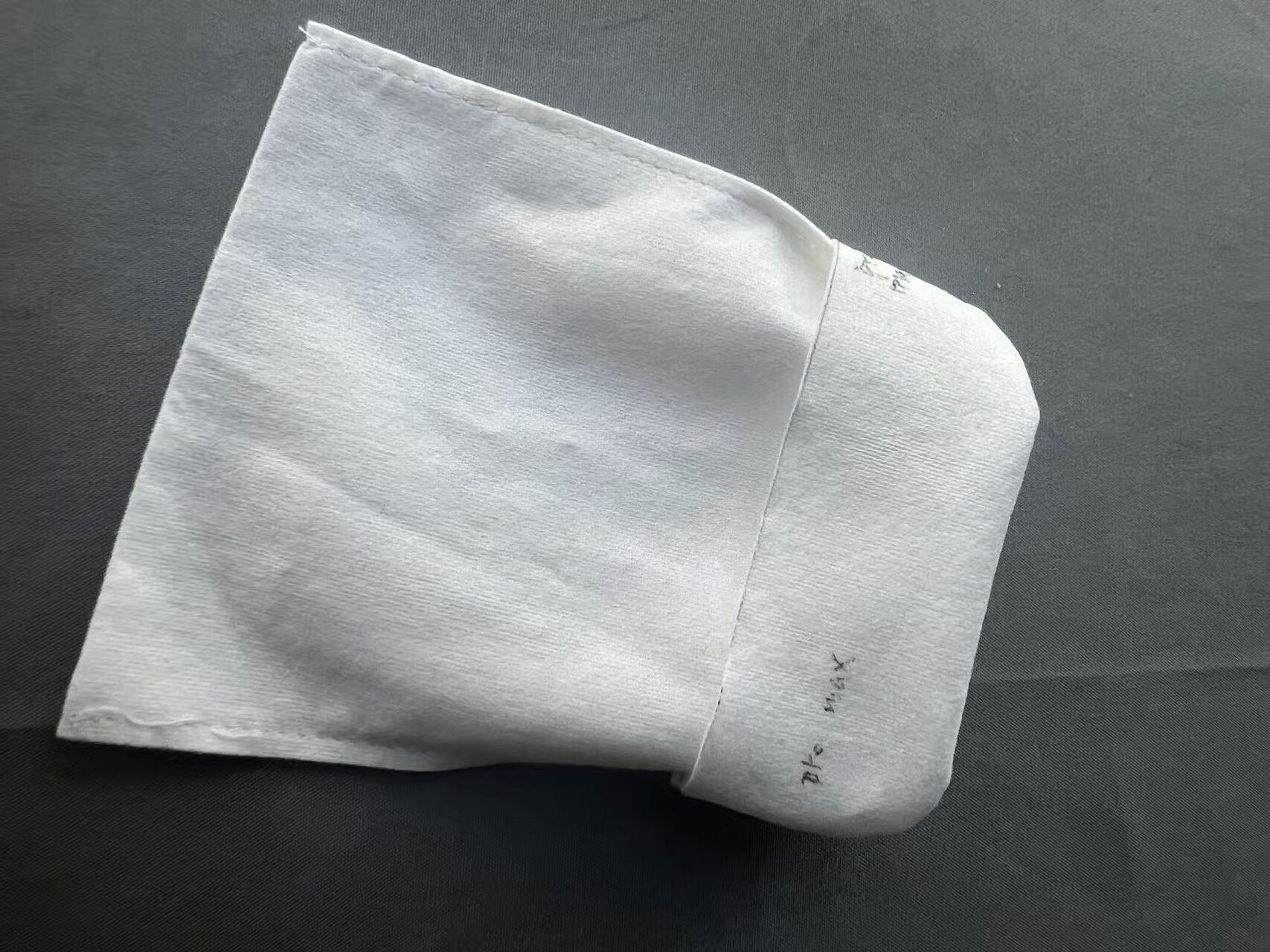
Modern shoppers assess both product quality and a brand’s sustainable commitments during purchases. Premium visual texture and soft hand‑feel improve unboxing experience. Compostable packaging communicates environmental accountability, strengthens consumer confidence and fosters higher brand loyalty. You may check out custom eco friendly bags manufacturer for tailor‑made eco‑packaging references.
4、Support Corporate Sustainability Strategies
Compostable packaging aligns with sustainability objectives of eco‑distributors and brand owners. It helps enterprises shrink environmental footprints, improve supply‑chain eco‑performance, and pre‑adapt to global environmental regulations and market shifts.
Ⅳ:What to Do With Compost Bags After Use? Proper Disposal Guidelines
how to use compostable bags properly does not mean they replace all waste‑management infrastructures. Their environmental value heavily relies on correct composting workflows.
1、Home Composting vs Industrial Composting
| Comparison Items | Home Composting | Industrial Composting |
| Temperature | Ambient 20‑40℃, no consistent high heat | Sustained high temperature 55‑70℃ |
| Microbes | Ordinary ambient microbes (only break down simple organics) | Thermophilic specialist microbes for industrial‑compostable materials |
| Oxygen Level | Weak aerobic, natural air permeability | Fully aerobic with forced ventilation |
| PH Value | Unstable with large pH fluctuation | Stable neutral range: 6.5‑7.5 |
| Degradation Speed | Relatively slow | Faster and consistent degradation |
| Management Model | Maintained by individual end‑users | Centralized treatment inside professional facilities |
| Suitable Products | Home‑compost‑certified goods | Industrial‑compost‑certified goods |
2、Why Proper Disposal of Compostable Bags Matters
“Compostable” does not guarantee decomposition under arbitrary surroundings.
Full breakdown into water, carbon dioxide and organic substances only occurs within qualified composting environments.
Most compostable bags cannot go through conventional plastic recycling streams. Mixed sorting with regular plastic packs lowers overall recycling efficiency.
Correct disposal enables complete natural material cycles and mitigates harms from traditional plastic waste.
Brands should educate end‑users on correct handling methods to boost packaging credibility.

3、Common Improper Disposal Practices
| Improper Disposal | Reasons for Being Incorrect |
| Recycled as regular plastic bags | Compostable bags are incompatible with classic plastic recycling systems; cross‑contamination hurts recycling efficiency |
| Landfill disposal | Landfills lack sufficient oxygen, temperature and microbes to realize compostable material benefits |
| Littering in open nature | Specific composting conditions are mandatory; natural open‑air environments cannot trigger full degradation |
| Random home composting | Materials and certification standards vary. Many products only suit industrial composting instead of home composting |
| Mixed with general household waste | Mixed waste may enter unsuitable treatment facilities and nullify environmental advantages |
Ⅴ:Are Compostable Bags Right For Your Products? Key Procurement Considerations
When buyers place orders, we recommend suitable materials, thickness and dimensions based on packaging application, product weight, durability requirements and brand positioning.
1、Product Application Scenarios
| Material | Application Scenarios | Performance Advantages |
| PLA/PBAT | Transparent pouches, single‑use consumer packaging, shopping bags, waste liners | Stiff‑flexible balance, lightweight, tear‑resistant |
| Starch‑Based Materials | Food‑contact packaging | Plant‑sourced raw materials |
| Bamboo Fiber | Electronics, brand‑custom packaging, luxury‑item wrapping | Premium texture, soft touch, reliable durability |
2、Brand Positioning
High‑end brands whose target customers value visual texture, hand‑feel and bespoke printing may opt for bamboo‑fiber compostable bags featuring natural aesthetics, premium quality and sustainability. Mass‑market packaging projects prioritize cost, functionality and eco‑credentials.
3、Consumer Expectations
Today’s purchasers evaluate both product quality and brand‑level sustainable commitments. Deploying qualified compost bag packaging communicates green values and raises public recognition for brand environmental responsibility.
4、Product Strength & Durability
Select materials and thickness according to item weight, dimension, usage scenarios and durability demands.
Light‑weight merchandise such as apparel, luggage and accessories works well with thin‑gauge compostable bags. Heavy‑weight goods including electronics, beauty items and home appliances demand higher mechanical strength and tear‑resistant material structures.
Ⅵ:Why Partner With BAMHAWK Compostable Bags Manufacturer
1、Custom Manufacturing Capabilities
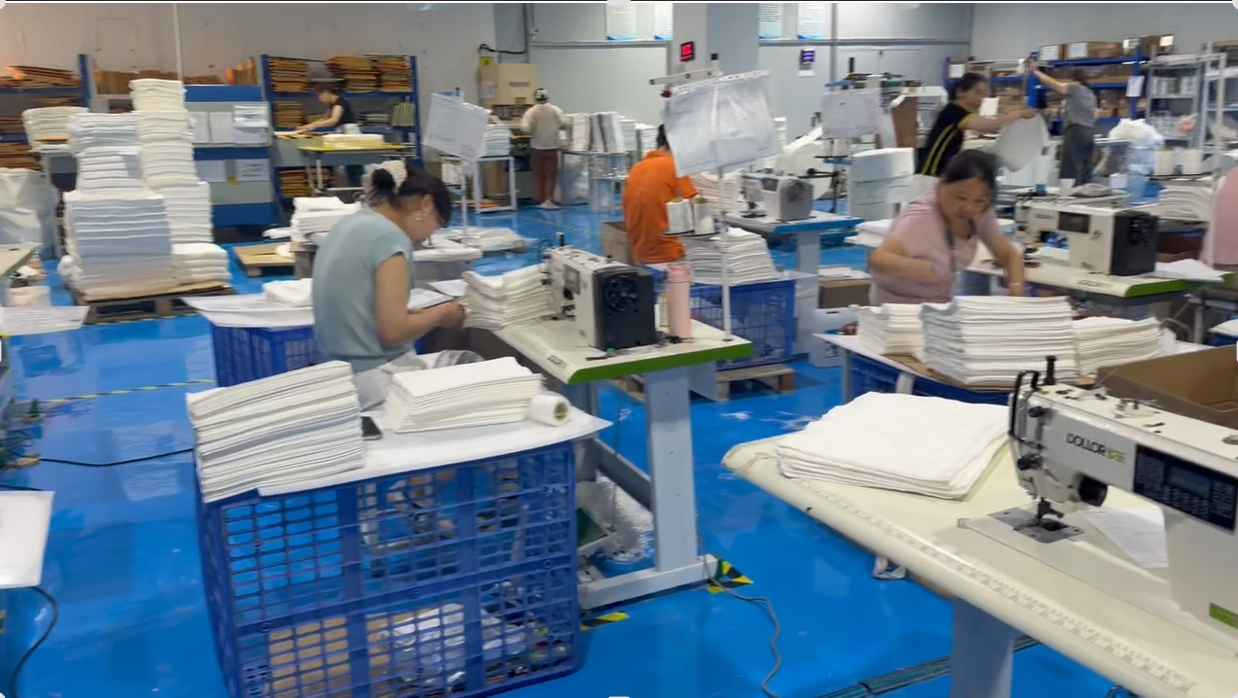
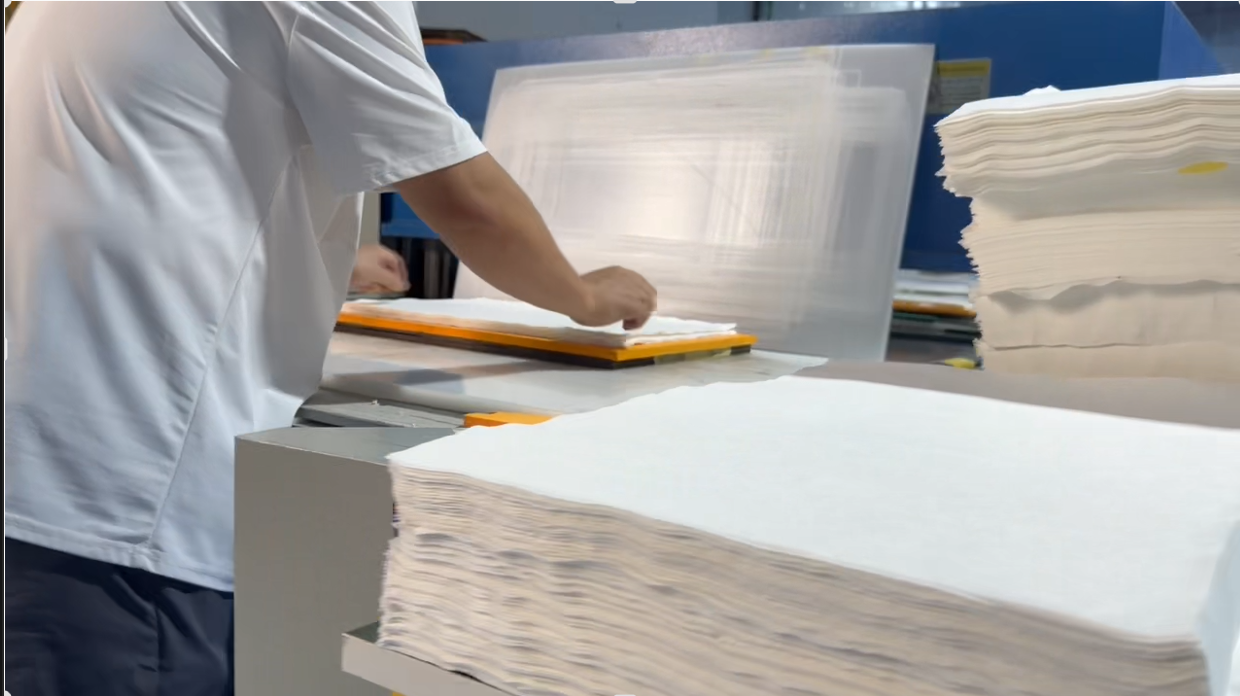
Our factory under the BAMHAWK brand delivers custom‑tuned dimensions, thickness, material structures, colors plus logo & graphic printing services. We help global brands build exclusive eco‑packaging matching their brand positioning. You can find qualified compostable bags manufacturers for your bulk sourcing project.
2、Specialized Premium Bamboo‑Fiber Compostable Packaging Solutions
We utilize renewable natural bamboo‑fiber raw materials to deliver packaging solutions blending natural texture, sustainability and premium positioning for high‑end brands and eco‑conscious product lines.
3、Serving Global Brands & Distributors
We hold solid B2B custom‑production experience supporting long‑term bulk procurement requirements for overseas brand owners and distributors worldwide.
4、Full‑Set Compliance Certifications
Our bamboo‑fiber compostable bags comply with EU EN13432 compostable standards. Third‑party SGS testing validates compliance with PPWR, RoHS, REACH and PFAS‑free requirements for diverse application scenarios. We provide OEM services covering custom weight, dimension, artwork and logo printing. Get your tailored compostable packaging proposal today!