
With worldwide plastic-restriction policies tightening step-by-step, especially the official roll-out of the EU Packaging and Packaging Waste Regulation (EU) 2025/40 (PPWR) (https://eur-lex.europa.eu/eli/reg/2025/40/oj/eng), growing numbers of shoppers keep an eye on packaging solutions adopted by brands and distributors. While shopping, they frequently wonder are compostable bags consumer compostable. Many distributors and brand owners failed to upgrade to eco-friendly packaging on time owing to insufficient awareness of compostable packaging, which has cost them plenty of orders and shopper-based brand trust.
This guide carries the full theme Compostable Bags: Consumer Compost Requirements & Bamboo Fiber Benefits for Premium Sustainable Brands. It elaborates on the benefits of compostable bags, answers whether everyday buyers can carry out home-composting, and unpacks the strengths delivered by the bamboo compost bag. Brand operators and distributors will learn how to pick out suitable eco-conscious packaging for product lines from six core sections.
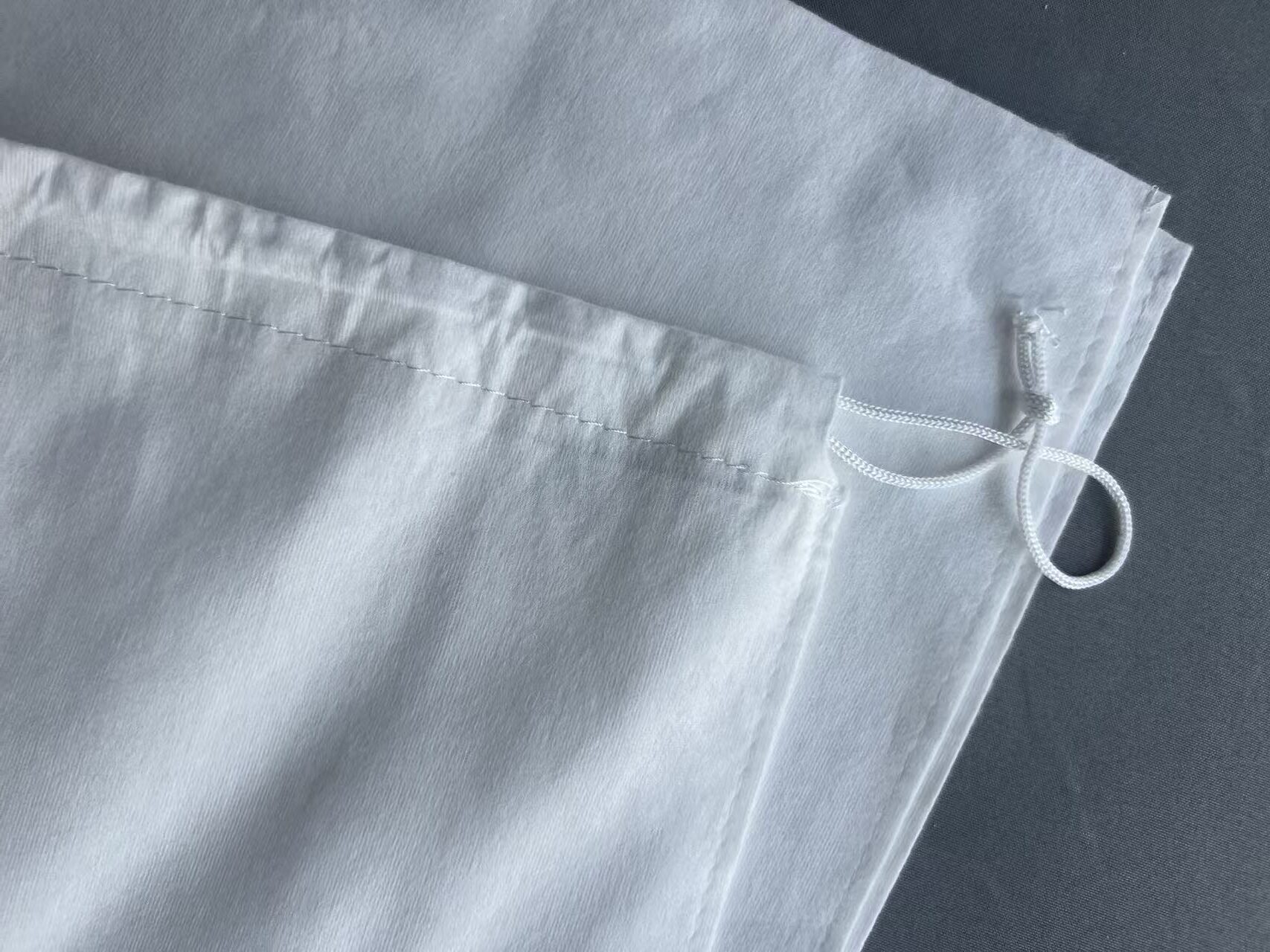
Table of Contents
Ⅰ: Market Trends for Compostable Bags
Ⅱ: How Consumers Dispose of Compostable Bags
Ⅲ: Material Comparison for Compostable Bags
Ⅳ: Root Causes Behind the Competitive Edge of the Bamboo Compost Bag
Ⅴ: Leverage Merits From the Bamboo Compost Bag
Ⅵ: Tips on Selecting Compostable Bags Manufacturers
Ⅶ: Conclusion and Consultation Guidance
Ⅰ: Market Trends for Compostable Bags
1、Rising Consumer Demand for Sustainable-Focused Packaging
Conventional plastic packaging resists decomposition. Accumulated plastic waste imposes long-term severe burdens on the natural ecosystem. As global environmental awareness rises, more purchasers pay close attention to product-attached packaging. Apart from checking item quality and practical performance, modern-day shoppers evaluate whether brands stick to eco-sustainable philosophies, and they keep questioning are compostable bags consumer compostable before accepting packaging solutions.
Customers throughout Europe and North America are inclined to back brands that adopt green packaging. They prioritize merchandise packed with genuine eco-friendly materials, verified environmental accreditations and packaging designed for closed-loop ecological lifecycles.
2、Brands and Distributors Are Phasing Out Plastic-Based Packaging
Strengthened plastic-packaging legislation and higher consumer expectations for green packaging across Western markets push wholesalers to hunt for plastic-free substitutes.
Compostable packaging complies with Western environmental regulations, communicates your brand’s green mission and builds unique competitive advantages. Understanding all the benefits of compostable bags helps enterprise operators treat compostable packaging not merely as an eco-friendly pick, but as a strategic method for lifting brand value, meeting regulatory standards and securing long-term market superiority.
3、Core Motivations That Drive Brands to Adopt Compostable Packaging
Green-oriented packaging unlocks new customer groups and fresh product categories while boosting client stickiness.
Improved worldwide environmental-protection regulations and growing public eco-awareness reward early adopters of compostable packaging with first-move privileges.
For distributors and brand-holders, compostable-ready packaging symbolizes both the mainstream sustainability movement and untapped commercial opportunities within the packaging sector, and premium-grade bamboo compost bag serves as one high-potential product line.
Ⅱ: How Consumers Dispose of Compostable Bags
1、Consumer-Led Composting Guidelines
Shoppers ought to confirm local home-composting infrastructure and organic-waste recycling services, so their compostable-bag waste enters suitable disposal surroundings.
Raw compostable materials differ in source, structural traits and degradation behaviour, hence requiring distinct composting environments. The comparison table below sorts out suitable composting settings for every common material:
| Compostable Raw Material | Material Features | Suitable Composting Environment | Application Fields |
| Bamboo Fiber | Natural plant fiber, decomposable via microorganisms | Home-composting / Industrial-scale composting (Subject to official certification) | Compostable non-woven sacks, premium-end eco-friendly packaging bags |
| PLA | Bio-based material fermented out of plant starch | Industrial-scale composting, demanding persistent high temperature and humidity | Transparent packaging sacks, food-grade packaging, thin-film materials |
| PBAT | Degradable polyester, frequently blended alongside PLA | Industrial-scale composting | Shopping sacks, rubbish bags, flexible-form packaging |
| Starch-Based Substance | Natural decomposable plant starch | Home-composting / Industrial-scale composting (Subject to official certification) | Food pouches, single-use packaging |
Not every compostable material breaks down under identical surroundings. Purchasers and brand procurement teams must match material composition and certification standards with proper composting environments. Many buyers keep searching online are compostable bags consumer compostable to avoid improper waste-handling.

2、Distinction Between Home-Based Consumer Composting and Industrial Composting
All compostable sacks cannot decompose under household surroundings. End-users should select disposal methods strictly according to product certification credentials.
| Comparison Item | Home-Based Composting | Industrial-Scale Composting |
| Temperature | Ordinary temperature 20-40℃, no sustained high-heat condition | Persistent high-temperature range 55-70℃ |
| Microorganism Colony | Common room-temperature microbes that only break down simple organic waste | Thermophilic specialized decompose-focused bacteria for industrial-grade compostable materials |
| Oxygen Supply | Weak aerobic condition with natural air permeability | Full aerobic environment with forced ventilation |
| PH Value | Unstable, fluctuating acid-alkaline index | Stable neutral PH from 6.5-7.5 |
| Decomposition Speed | Slow decomposition cycle | Fast, steady breakdown process |
| Administration Mode | Self-maintained by individual consumers | Centralized disposal run by professional facilities |
| Required Certification | Home-composting accreditation | Industrial-composting accreditation |
| Applicable Goods | Home-compost-qualified merchandise | Industrial-compost-qualified merchandise |
3、Reasons Why Shoppers Care About Composting Procedures
Consumers research composting operations to confirm whether post-use packaging achieves natural ecological circulation, identify required compost surroundings and contribute toward plastic-pollution reduction. High-quality bamboo compost bag wins wide-ranging public recognition for its straightforward biodegradation performance.
Ⅲ: Material Comparison for Compostable Bags
| Raw-Packaging Material | Core Performance Traits |
| PLA | Plant-derived base material, outstanding light-transmitting property |
| PBAT | Flexible, tear-resistant and durable texture |
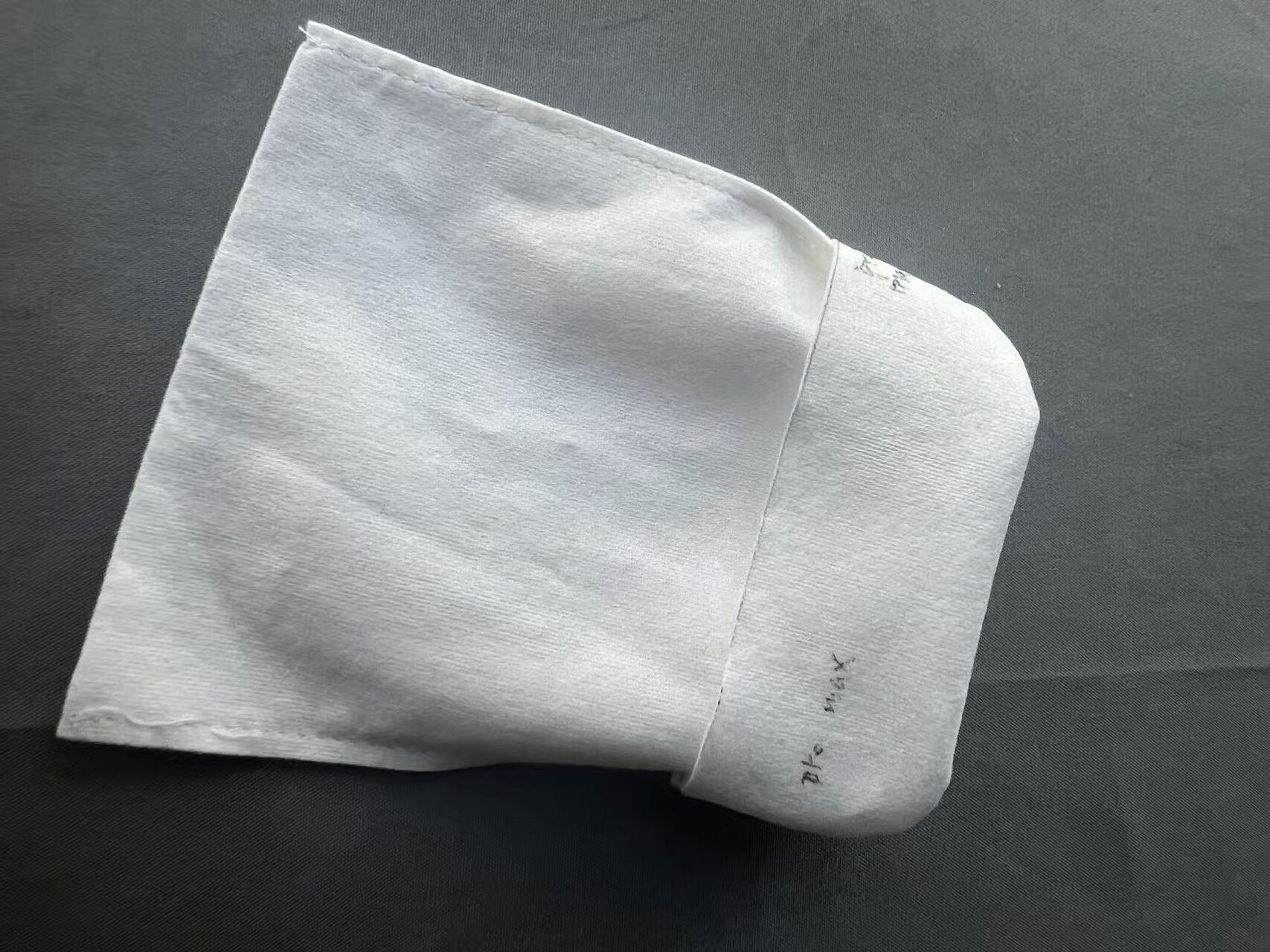
| Bamboo compost bag | All-natural plant material, organic fiber texture, premium-grade hand-feel, reusable and fully sustainable |
Ⅳ: Root Causes Behind the Competitive Edge of the Bamboo Compost Bag
| Competitive Strength | Natural Traits of Bamboo-Fiber Raw Material | Packaging-Oriented Commercial Value |
| Rapid-renewable Natural Plant Resource | Fast-regenerating natural botanical material | Cut down dependency on non-renewable petroleum-based resources |
| Plant-Originated Feedstock | Manufactured out of natural bamboo plant fiber | Satisfy brand demands for all-natural eco-friendly packaging substances |
| Naturally Biodegradable Composition | Natural cellulose broken down by environmental microorganisms | Complete closed-loop natural ecological circulation |
| Petroleum-Plastic Substitute Alternative | Serve as replacement for conventional plastic packaging | Lower consumption of oil-based plastic goods |
| Organic Textured Appearance | Distinct fiber grain and upscale visual texture | Elevate brand valuation and advocate green packaging positioning |
| Eco-Friendly Sustainable Attribute | Plant-based raw materials with exceptional consumer acceptance | Strengthen purchaser trust toward your brand |
Bamboo compost bags are processed from fast-renewable bamboo raw materials. This all-natural plant-derived packaging material boasts natural biodegradability, sustainable traits, low environmental footprint and circular-use capability. It acts as an ideal substitute for plastic-based packaging, and brands that fully master the benefits of compostable bags prioritize bamboo-fiber packaging upgrades.

Ⅴ: Leverage Merits From the Bamboo Compost Bag
1、Expand Your Sustainable Packaging Product Portfolio
The bamboo compost bag supplies viable substitutes for disposable plastic sacks. It enables brands and distributors to broaden sustainable-packaging product ranges, tap emerging consumer demographics, unlock fresh business niches and enhance buyer loyalty.
2、Boost Brand Reputation and Consumer Trust
Produced from rapidly-renewable natural bamboo fiber, bamboo compostable packaging reinforces your brand’s eco-friendly positioning, polishes public brand-image and builds-up shopper confidence.
3、Tap Fresh Commercial Prospects
Western environmental-protection legislation keeps improving, and public sustainable-consumption awareness continues spreading. Market demand for green packaging rises steadily. The bamboo compost bag opens-up brand-new market niches, untouched customer bases and profit-growth space. Small-scale retailers can turn to a qualified small eco friendly bags manufacturer for compact-size customized sacks.
Ⅵ: Tips on Selecting Compostable Bags Manufacturers
Brands need multi-dimensional evaluation covering usage scenarios, waste-disposal methods, brand positioning and product specifications before picking suitable compostable packaging.
1、Pick Raw Materials Based On Packaging Application Scenarios
First, confirm whether packaging sacks are meant for footwear & apparel, electronic gadgets, handbags, food-grade goods or premium gift sets, then match suitable packaging materials accordingly.
2、Select Certification Standards by Local Waste-Handling Infrastructure
Opt for industrial-compost-certified sacks if your local district runs commercial organic-waste recycling systems.
Prioritize home-compost accredited packaging for markets dominated by ordinary household end-users who constantly look-up are compostable bags consumer compostable online.
3、Match Packaging Substance Against Your Brand Positioning
The bamboo compost bag suits brands built around natural-focused, zero-waste and premium-green-oriented brand missions.
PLA and PBAT composite materials work well for packaging requiring high flexibility and comprehensive practical functions.
4、Order Eco-Friendly Packaging Matching Your Product-Side Requirements
Make packaging decisions referencing merchandise weight, softness, surface texture, shock-protection specifications and bespoke printing and structural customization requirements.
Ⅶ: Conclusion and Consultation Guidance
1、Compostable-based packaging evolves into the mainstream sustainable-packaging trend. Before brands market compostable sacks, operators ought to master composting specifications, the full-scale benefits of compostable bags and competitive strengths belonging to the bamboo compost bag. Choose compostable packaging aligned to your brand-oriented positioning.
2、As seasoned compostable bags manufacturers, our factory implements standardized production workflows, comprehensive qualification accreditations, plus flexible OEM and ODM customization capacity. We supply worldwide buyers with transparent certification paperwork, authoritative lab-test reports and scenario-tailored bespoke packaging schemes.
3、Our in-house manufactured bamboo compost bag meets the EU EN13432 home-and-industrial composting criteria. Third-party SGS lab inspections validate compliance with PPWR, ROHS, REACH and PFAS-free environmental-protection standards. Our packaging solutions adapt to diverse usage contexts. Customizable parameters cover gram weight, sack dimension, graphic prints and brand-logo imprinting under OEM service. Reach-out right away for your personalized compostable packaging solution.