
We receive numerous inquiries from prospects, frequently asking are eco bags compostable, “Should I use compostable trash bags”, and “black bag composting advantages and disadvantages”. Many overseas distributors and brand owners equate eco‑friendly bags with eco compostable bags, yet these represent two distinct packaging products — not all eco‑friendly bags qualify as compostable bags en13432.
One typical case involves an Italian scarf brand. The client purchased 500 eco‑friendly bags from another vendor. Believing are eco bags compostable meant the items were automatically certified, he did not request relevant qualification certificates or test reports. After full payment, the shipment was detained by customs and could not clear entry. The brand reached out to the supplier for documentation required for customs release, but no valid credentials were available. The goods remained stuck at the border. This incident brought direct financial loss and delayed delivery to their end customers. Too many buyers fall into this pitfall through uninformed purchasing decisions.
Are Eco Bags Compostable? Should You Choose EN 13432 Certified Compostable Bags. This article addresses key questions including are eco bags compostable, whether you should adopt compostable bags en13432, and what black bag composting advantages and disadvantages exist. It helps brand owners and distributors avoid compliance risks, operational losses and reputational harm when sourcing eco compostable bags.

Table of Contents:
Ⅰ: Are Eco‑Friendly Bags Truly Compostable
Ⅱ: Why Compostable Packaging Has Become a Sustainable Packaging Trend
Ⅲ: The Critical Role of Compostable Certifications
Ⅳ: Raw Materials Used for Making Compostable Bags
Ⅴ: How to Select Compostable Bags for Your Brand
Ⅵ: Summary & Consultation Guidance
Ⅰ: Are Eco‑Friendly Bags Truly Compostable — Understand the Reality Behind Sustainable Packaging
Eco‑friendly bags are widely adopted across the packaging industry. However, “eco‑friendly” does not guarantee that a product can decompose in compost conditions or holds official sustainability certifications.
For overseas distributors and brand owners, picking incorrect packaging creates compliance threats, operational setbacks and brand reputation damage.
From our real‑world cooperation experience with global partners, the most common misconception is treating ordinary eco‑friendly bags as eco compostable bags. Many buyers assume that if a product is labelled eco‑friendly, it automatically satisfies requirements for compostable bags en13432.
Before you place any bulk order, you must answer are eco bags compostable for each specific item you source, and evaluate black bag composting advantages and disadvantages if black‑colored variants are under consideration.
1、Difference Between Eco‑Friendly Bags and Compostable Bags
| Comparison Item | Eco‑Friendly Bags | Compostable Bags |
| Definition | General term for packaging with lowered environmental impact | Packaging that breaks down into water, CO₂ and biomass under defined composting conditions |
| Core Objective | Reduce conventional plastic consumption and boost sustainability | Close the full life‑cycle loop for packaging materials |
| Guaranteed Biodegradable | Not guaranteed | Yes |
| Guaranteed Compostable | Not guaranteed | Yes (must meet formal certification standards) |
| Certification Requirement | Generally no mandatory rules | Typically requires EN 13432 or BPI certification |
| Common Raw Materials | Recycled plastic, paper, cotton, bio‑based materials | Bamboo fiber, PLA, PBAT, starch‑based compounds |
| Decomposition Output | Varies heavily by material | Water, carbon dioxide, biomass |
| Decomposition Timeline | No unified industry standard | Complete breakdown within specified timeframe under qualified conditions |
| Purchase Risk | High risk of greenwashing claims | Relatively low procurement risk |
In short: all genuine eco compostable bags count as eco‑friendly bags, but not every eco‑friendly bag can be classified as compostable bags en13432. Valid compostable products need strict certification and proven decomposition performance within given compost environments. Always verify are eco bags compostable instead of trusting marketing slogans alone, and weigh black bag composting advantages and disadvantages before finalizing black bag orders.


2、Why Compostable Certifications Matter for B2B Overseas Buyers
①Prevent greenwashing‑related regulatory risks
②Strengthen brand recognition: Packaging forms part of your brand value. Certified eco compostable bags improve consumer perception of your brand.
③Lower procurement risks: Proper certification validates material authenticity and environmental safety of finished compostable bags en13432, and helps you avoid costly customs detention. Working with reliable eco friendly bags suppliers ensures you receive complete supporting documentation.
Ⅱ: Why More Brand Owners and Distributors Choose Compostable Packaging
1、Rising market demand for sustainable packaging
Global plastic‑restriction policies and tightening environmental regulations make sustainable, reusable and industrially‑compostable packaging essential for brand owners and distributors. Many buyers also ask should i use compostable trash bags when expanding their sustainable product portfolio.
2、Elevate your brand image
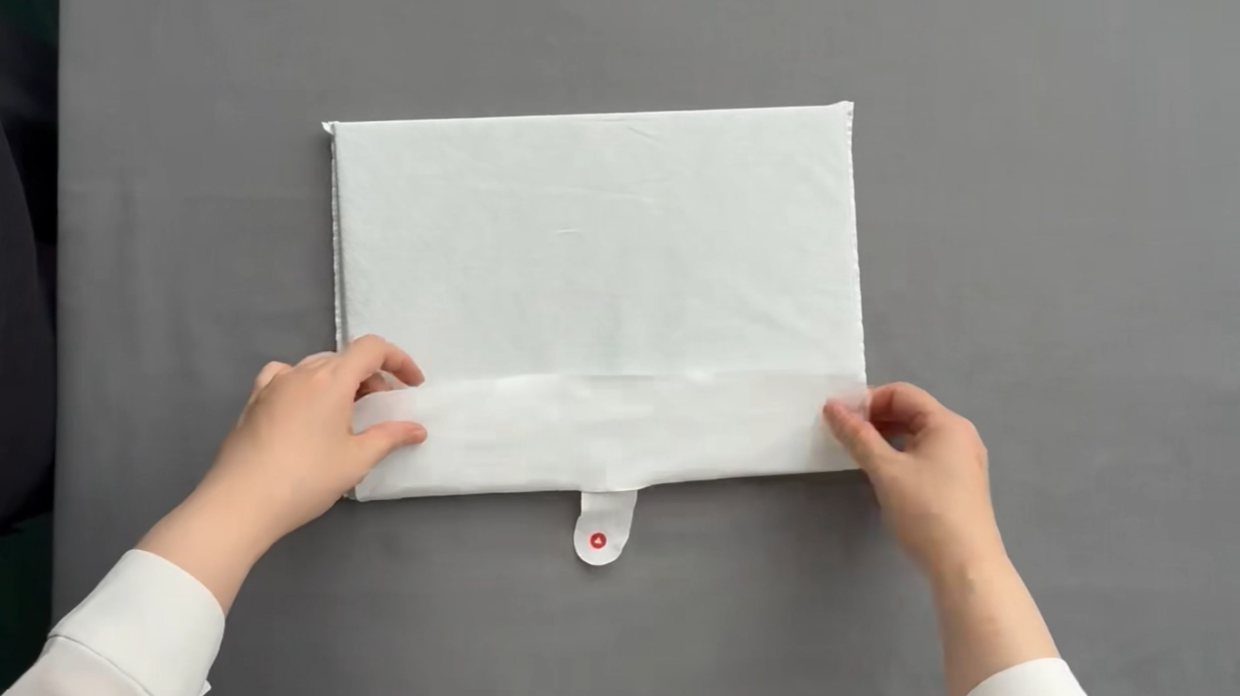
Sustainable packaging communicates corporate environmental commitments to end consumers. Our bamboo‑fiber eco compostable bags feature soft handfeel, natural textures and premium aesthetics, delivering unique high‑grade user experience and building market differentiation for your brand. If you wonder should i use compostable trash bags, keep in mind certified compostable SKUs reinforce your sustainability storytelling across product lines.
3、Boost consumer approval
Modern shoppers evaluate not only product quality, but also whether brands embrace sustainable values. Premium texture and soft touch from certified compostable bags en13432 elevate unboxing moments, demonstrate environmental accountability, strengthen consumer trust and build long‑term brand loyalty. When researching should i use compostable trash bags, cross‑reference real‑world user feedback for your target market.
Ⅲ: Importance of Compostable Certifications for Sustainable Packaging
1、Verify genuine compostable performance
Compostable certifications represent third‑party scientific verification covering material composition, degradation performance, decomposition timeline and residual outputs. This objective proof answers are eco bags compostable instead of relying only on vendor marketing statements.
2、Meet regional regulatory and procurement requirements
①EN 13432 is the key European benchmark for compostable bags en13432. It verifies full breakdown into eco‑friendly residues under industrial compost conditions within defined periods.
②BPI certification is the major North‑American standard for compostable packaging.
You may read more details about EU packaging compliance via sustainable packaging guidelines(https://example‑link‑eu‑packaging.com).
3、Mitigate greenwashing and operational risks
Numerous suppliers label goods “eco‑friendly”, “biodegradable” or “compostable”. Without third‑party testing, overseas brand owners and distributors cannot confirm whether these claims hold true. Valid certifications confirm real performance of eco compostable bags, help you identify trustworthy products, smooth customs clearance and avoid administrative fines. Partner with a qualified compostable bags manufacturers to receive full test documentation upfront.
Ⅳ: Raw Materials Used for Making Compostable Bags
| Material | Source | Key Properties |
| PLA | Corn starch, sugarcane and other plant feedstocks | Renewable plant resource, good clarity, compostable |
| PBAT | Biodegradable polyester | Excellent flexibility and durability; commonly blended with PLA |
| Bamboo Fiber | Rapidly‑renewable bamboo | Fast‑regrowing plant source, natural texture, low static charge |
| Starch‑based Compounds | Corn, cassava or wheat starch | Plant‑derived, strong biodegradability |
Our bamboo‑fiber eco compostable bags are produced from fast‑regenerating natural plant fiber with distinctive organic texture. Compare them against conventional plastic packaging below:
| Bamboo‑Fiber Compostable Bags | Traditional Plastic Packaging |
| Fast‑renewable natural plant fiber feedstock | Petroleum‑based raw material |
| Rapidly returns to nature under compost conditions | Plastic waste, non‑degradable |
| Premium visual appearance strengthens brand value | Limited branding enhancement |
| Decomposed substances re‑enter natural ecological cycles | Poor recyclability, harms natural environments |

Ⅴ: How to Select Compostable Bag Manufacturers Aligned With Your Brand Positioning
Selecting suitable compostable packaging requires comprehensive evaluation covering application scenarios, brand positioning and functional requirements.
1、Choose materials based on end‑use applications
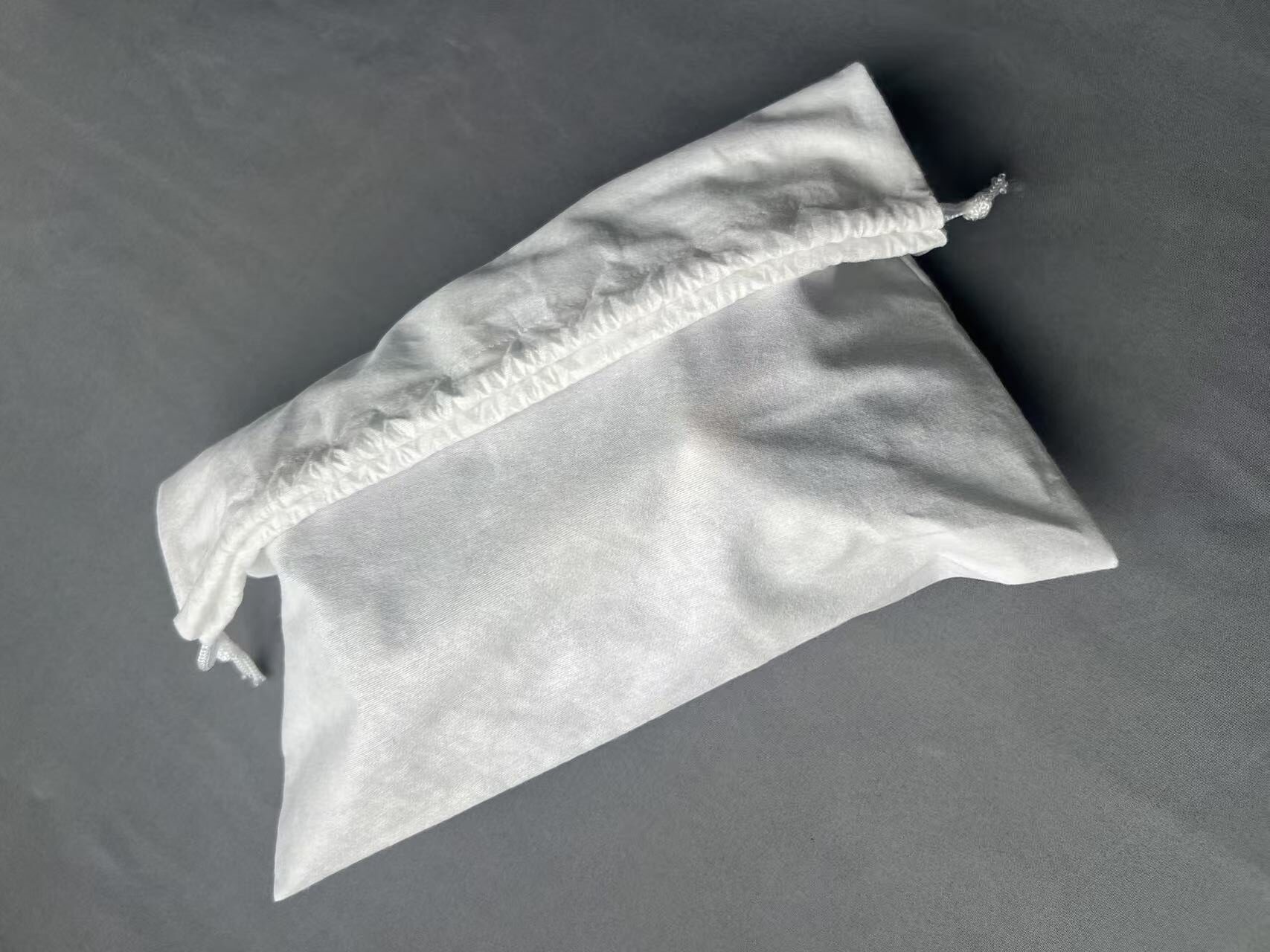
Define target industries including footwear & apparel, luggage, consumer electronics, corporate gifts and premium accessories. Pick proper fabric weight according to real‑world usage scenarios. Drawstring styles are popular for many categories; consult a professional eco friendly drawstring bags manufacturer when drawstring closure is required.

2、Match packaging material to your brand identity
Bamboo‑fiber eco compostable bags fit brands focused on natural aesthetics, sustainability and premium positioning. PLA / PBAT blends work better for projects demanding high flexibility and functional performance. As you compare options, keep asking are eco bags compostable for every material option you review.
3、Select packaging according to product specifications
Make decisions based on item weight, softness requirements, visual finish, protection performance and closure mechanisms. For non‑woven style project inquiries, reach out to a reliable non woven biodegradable bags manufacturer.
Our bamboo‑fiber compostable bags en13432 support full customization including dimensions, fabric weight, printing patterns and closure styles. We serve global brand owners and distributors to build bespoke packaging solutions aligned with brand values.
Ⅵ: Summary & Consultation Guidance
1、Compostable packaging represents a major global sustainability trend. Before placing orders for eco compostable bags, verify whether suppliers offer genuine certified compostable bags en13432. Confirm valid test reports exist. Always resolve are eco bags compostable prior to purchase, and analyse black bag composting advantages and disadvantages if black bags are part of your plan. Also assess should i use compostable trash bags against your product roadmap.
2、As a professional producer, we follow standardized manufacturing workflows with complete certification portfolios and comprehensive OEM / ODM capabilities. We provide transparent certification documents, authoritative lab reports and application‑oriented custom packaging solutions for worldwide clients.
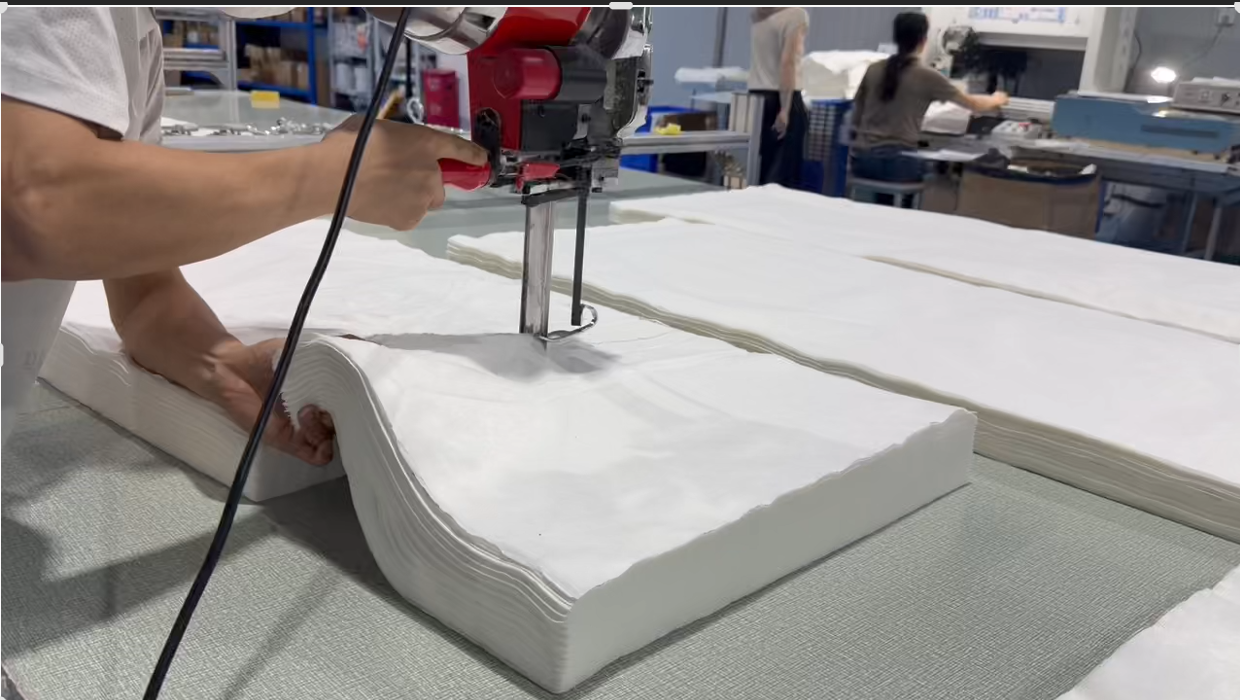
3、Our bamboo‑fiber compostable bags en13432 hold EU EN 13432 certification. Third‑party SGS testing covers PPWR, RoHS, REACH and PFAS compliance. Customization is available for weight, dimension, print artwork and closure structures across diverse application scenarios. Contact us today for your tailor‑made eco compostable bags solution.