
In recent times, many inquiry clients keep asking about biodegradable and compostable bags when sourcing eco‑friendly packaging, as well as how long biodegradable bags for compost can remain functional. Most of them lack clear knowledge on storage and daily handling for how long do compostable bags last, so they struggle to select proper suppliers and purchase suitable biodegradable bags for compost that fit their business models.
A typical case involves a US‑based essential‑oil brand buyer. Without understanding shelf‑life and storage requirements for biodegradable and compostable bags, the client placed a large‑volume order of 50,000 eco‑friendly bags from one supplier and stored all stock in their warehouse. Due to high ambient humidity in the warehouse, the bags suffered performance degradation and developed yellow‑black stains after merely three to four months. Some defective units had already been shipped to end consumers, triggering numerous customer complaints. After full stock inspection, nearly two‑fifths of the inventory turned unusable. This incident brought direct financial losses and damaged brand trust among consumers. I have witnessed far too many pitfalls caused by blind bulk purchasing of biodegradable bags for compost recently.
This article focuses on answering core questions around Biodegradable bags: compostable and how long do they last, including facts about biodegradable bags for compost, distinctions between biodegradable and compostable bags, and insights into how long do compostable bags last. It helps overseas buyers clarify shelf‑life, daily handling protocols, and best practices for purchasing biodegradable bags for compost compliant with local eco‑regulations.
Table of Contents:
Ⅰ: Key Concerns for Buyers
Ⅱ: What Counts as Genuine Compostable Packaging
Ⅲ: Shelf‑Life and Storage Conditions
Ⅳ: Physical Performance
Ⅴ: Suitable Industries for Compostable Packaging
Ⅵ: Summary and Consultation Guidance
Ⅰ: Key Concerns for Buyers Before Purchasing Compostable Bags
Drawing from our cooperation experience with multiple European and American apparel, luggage and 3C electronics brands, overseas buyers usually focus on the points listed below before placing orders for biodegradable and compostable bags. When evaluating how long do compostable bags last, buyers also need to verify supporting certifications for biodegradable bags for compost.
1、Are biodegradable bags for compost truly eco‑friendly?
Certified biodegradable bags for compost complying with EN13432 and US BPI standards break down into water, carbon dioxide and organic matter within 180 days under specific composting conditions, building a closed ecological cycle with nature. Conventional plastic packaging barely decomposes and can persist for hundreds of years, continuously burdening the natural ecosystem.
2、Why can biodegradable and compostable bags replace conventional plastic packaging?
Bamboo‑fibre compostable packaging delivers dust‑proof performance equal to traditional plastic packaging. Rich bamboo‑fibre content brings natural fibrous structure and low static properties, granting extra breathability, moisture‑resistance and anti‑static functions. Its natural textured appearance also greatly elevates brand image.
With the official enforcement of Packaging and Packaging Waste Regulation (EU) 2025/40 (PPWR)(https://eur-lex.europa.eu/eli/reg/2025/40/oj/eng), global buyers and brand owners are gradually switching to sustainable packaging solutions. Qualified biodegradable and compostable bags meet material and degradation requirements set by local environmental authorities, making them ideal alternatives to conventional plastic packaging.
3、How long do compostable bags last under storage?
Degradation of biodegradable bags for compost only triggers under dedicated composting environments. Nevertheless, proper warehousing remains critical to preserve functional performance. When kept in cool, dry, well‑ventilated storage away from direct sunlight, biodegradable bags for compost retain stable usable performance for 12‑24 months. Many buyers underestimate how storage influences how long do compostable bags last.
4、Supplier production and qualification capacity
Complete certification packages and test reports are required, covering both raw‑material certificates and finished‑bag test documents, to help buyers satisfy local eco‑legislation.
Flexible customisation supports custom weight, dimension and printing, so packaging solutions match brand positioning perfectly. You may reach out to reliable compostable bags manufacturers for full‑set documentation support.
Ⅱ: What Makes Genuine Compostable Bags
1、Material composition of authentic compostable bags
| Material | Component | Features | Degradation Output |
| PLA | Renewable plant‑based polymer | Compostable | Water + Carbon Dioxide + Biomass |
| PBAT | Biodegradable polyester polymer | Fully biodegradable | Water + Carbon Dioxide + Biomass |
| Bamboo Fibre | Natural plant fibre | Naturally degradable | Water + Carbon Dioxide + Biomass + Minerals |
Bags blended with the three above‑mentioned materials break down into eco‑friendly substances that circulate within natural ecosystems.
When you source biodegradable and compostable bags, always double‑check material declarations. Misjudging material input will directly affect how long do compostable bags last in stock.
2、Certifications
EU EN13432 and US BPI compostable certifications verify that compostable packaging achieves full biodegradation and safe degradation residues under industrial composting conditions.
3、Why certifications matter for overseas buyers
①Ensure compliance with local environmental regulations and avoid customs detention or administrative fines
②Prevent reputational damage from false marketing and mitigate greenwashing risks
③Improve brand image and meet consumer expectations
④Build sustainable supply chains and reduce long‑term procurement risks
As an experienced compostable small bags manufacturer, we supply certified compostable bags and relevant test reports for global brand owners and distributors. Our documentation helps buyers comply with regional eco‑rules and build robust sustainable packaging supply chains.

Ⅲ: Shelf‑Life and Storage Conditions for Compostable Bags
Years of cooperation with international clients prove that material formulation, warehouse surroundings and inner packaging protection heavily influence performance of biodegradable bags for compost. Improper handling shortens how long do compostable bags last significantly.
1、How long do compostable bags last in storage
The storage lifespan of bamboo‑fibre biodegradable bags for compost varies according to material formula, warehouse surroundings and protective wrapping. Under ideal conditions, these bags maintain good usability for 12‑24 months. If you cooperate with qualified eco friendly bags suppliers, they will provide detailed storage guidance together with goods.
2、Why material formula, warehouse environment and packaging protection affect service life of biodegradable and compostable bags
Full degradation of biodegradable bags for compost takes place under industrial composting settings: high temperature & humidity, active microorganism, aerobic environment and neutral PH value.
Even though degradation only occurs under such specific circumstances, warehouse conditions still decide how long do compostable bags last before application.
①Persistent high‑temperature storage accelerates ageing of plant‑based ingredients inside biodegradable and compostable bags.
②Constant low‑temperature surroundings make material rigid and hurt bag flexibility.
③Excessive air humidity enables bamboo fibre inside biodegradable bags for compost to absorb moisture from air, softening bags and lowering load‑bearing capacity while ruining hand‑feel.
④Direct contact with water such as rain, liquid spills or damp floors raises moisture content of plant‑based material, triggering performance failure.
⑤Long‑term direct sunlight breaks plant‑fibre structures and causes ageing and brittleness.
3、Practical advice to improve storage stability for biodegradable and compostable bags
①Based on our manufacturing and export experience plus real‑world storage feedback from buyers, store biodegradable bags for compost in cool, dry, ventilated spaces away from direct sunlight to secure 12‑24 months of stable performance. This core rule directly determines how long do compostable bags last.
②Keep original factory packaging intact when goods are not dispatched. Avoid exposing biodegradable and compostable bags under direct sunlight for extended periods.
③Record purchase date, stock‑in date and stock‑out date for daily inventory management. Apply first‑in, first‑out principle for stock rotation of biodegradable bags for compost.
Ⅳ: Can Compostable Bags Match Physical Performance of Conventional Plastic Packaging
| Physical Performance | Plastic Packaging | Bamboo‑Fibre Compostable Bags |
| Dust‑proof | Excellent | Excellent |
| Moisture‑proof | Excellent, yet poor air permeability. Condensation easily accumulates inside bags and damages goods | Excellent. Natural‑fibre structure delivers breathability & moisture resistance, minimising condensation risks |
| Shock & Drop Resistance | Poor | Excellent |
| Brand Presentation | Average | Excellent |
| Eco‑Friendly Attribute | Poor | Excellent |
| Consumer Acceptance | Gradually declining | Steadily growing |
As shown above, bamboo‑fibre biodegradable and compostable bags fully satisfy functional requirements from buyers. Moreover, they bring extra value on brand building, eco‑friendliness and consumer recognition. For drawstring‑style packaging solutions, you may consult a professional eco friendly drawstring bags manufacturer.
Ⅴ: Suitable Industries for Bamboo‑Fibre Compostable Packaging
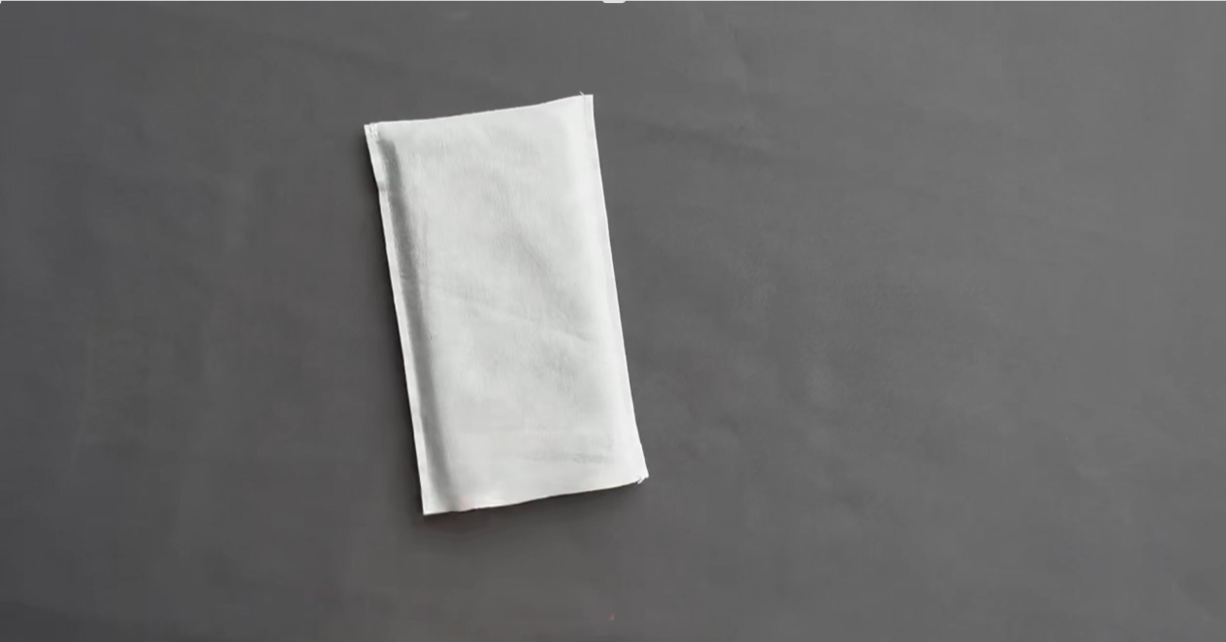
1、Electronics Industry
3C electronics packaging requirements: scratch resistance, collision protection, dust & static prevention, premium unboxing experience and compliance with sustainable concepts.
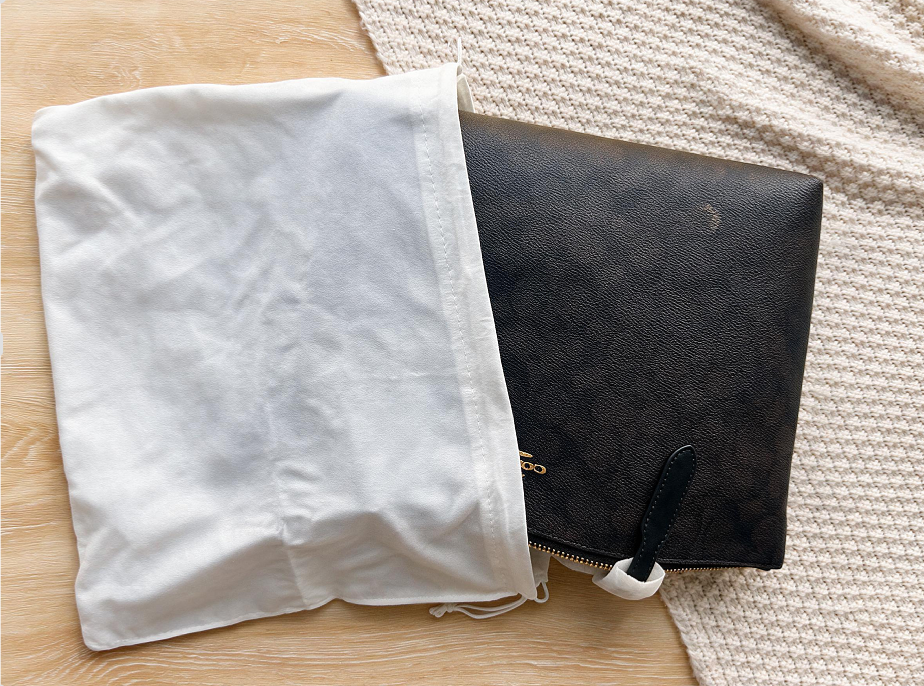
2、Fashion Brands
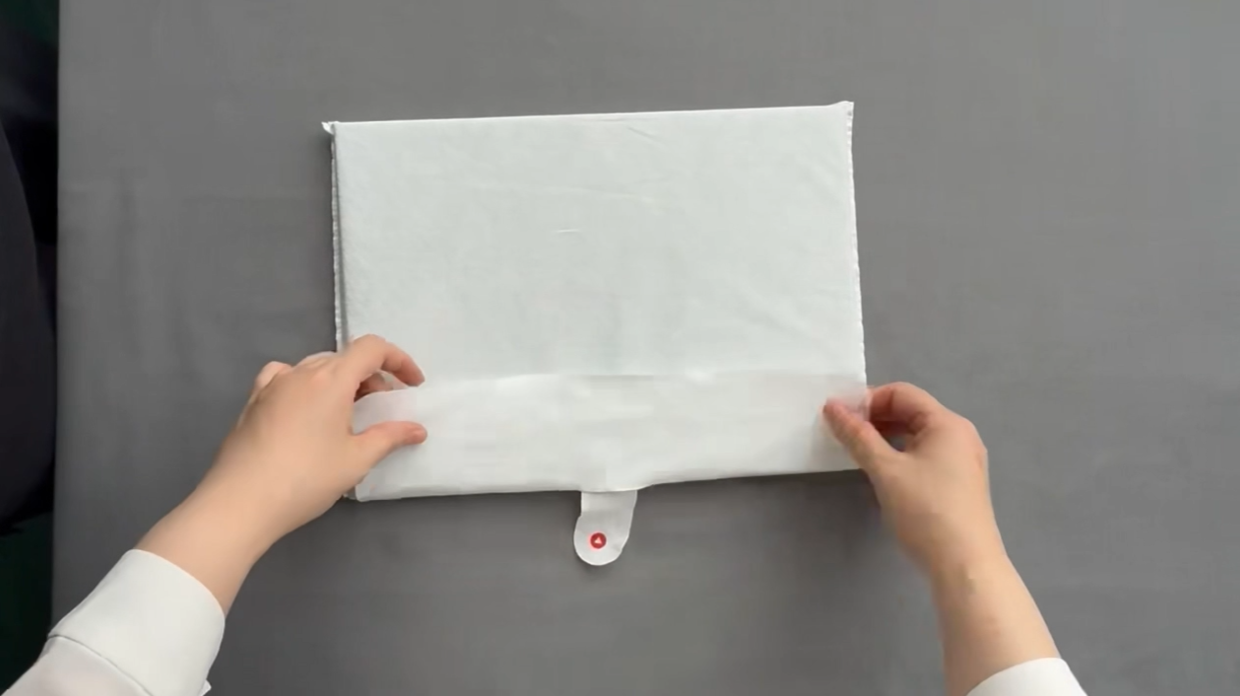
Brand packaging requirements: dust & moisture resistance, static control, brand‑aligned positioning, enhanced unboxing experience, reusability and sustainable standards.
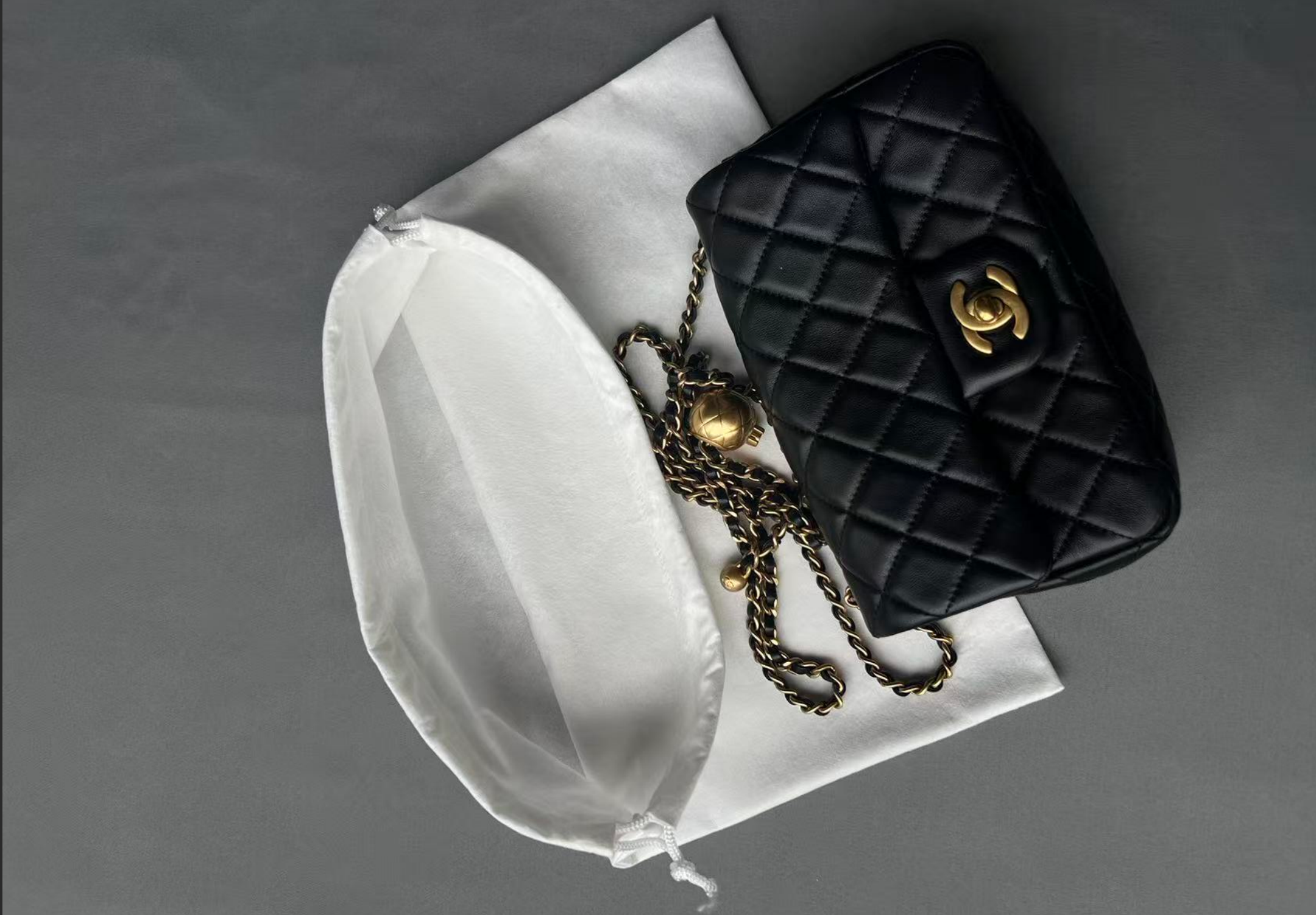
3、Luxury Brands
Luxury packaging requirements: dust & moisture resistance, static control, premium brand positioning, meet consumer expectations, luxury‑grade unboxing experience, reusability and sustainable standards.
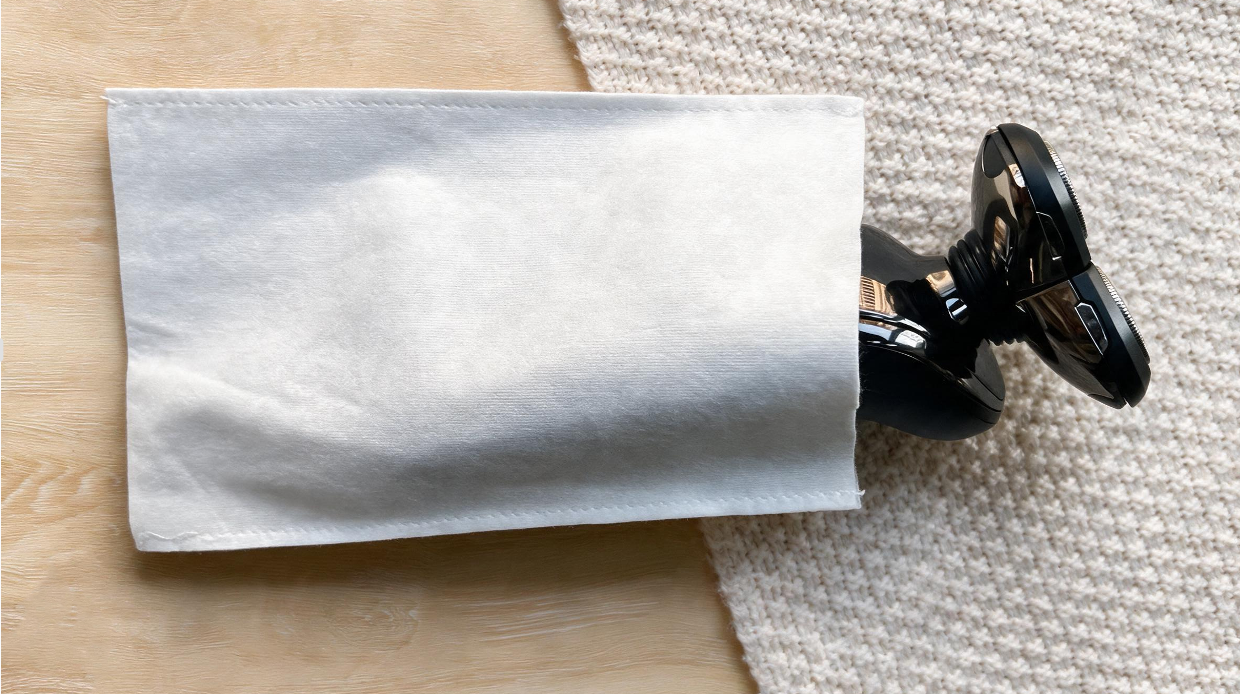
4、Home Appliance Industry
Home appliance packaging requirements: dust & moisture resistance, static control, brand‑aligned positioning, premium unboxing experience, reusability and sustainable standards.
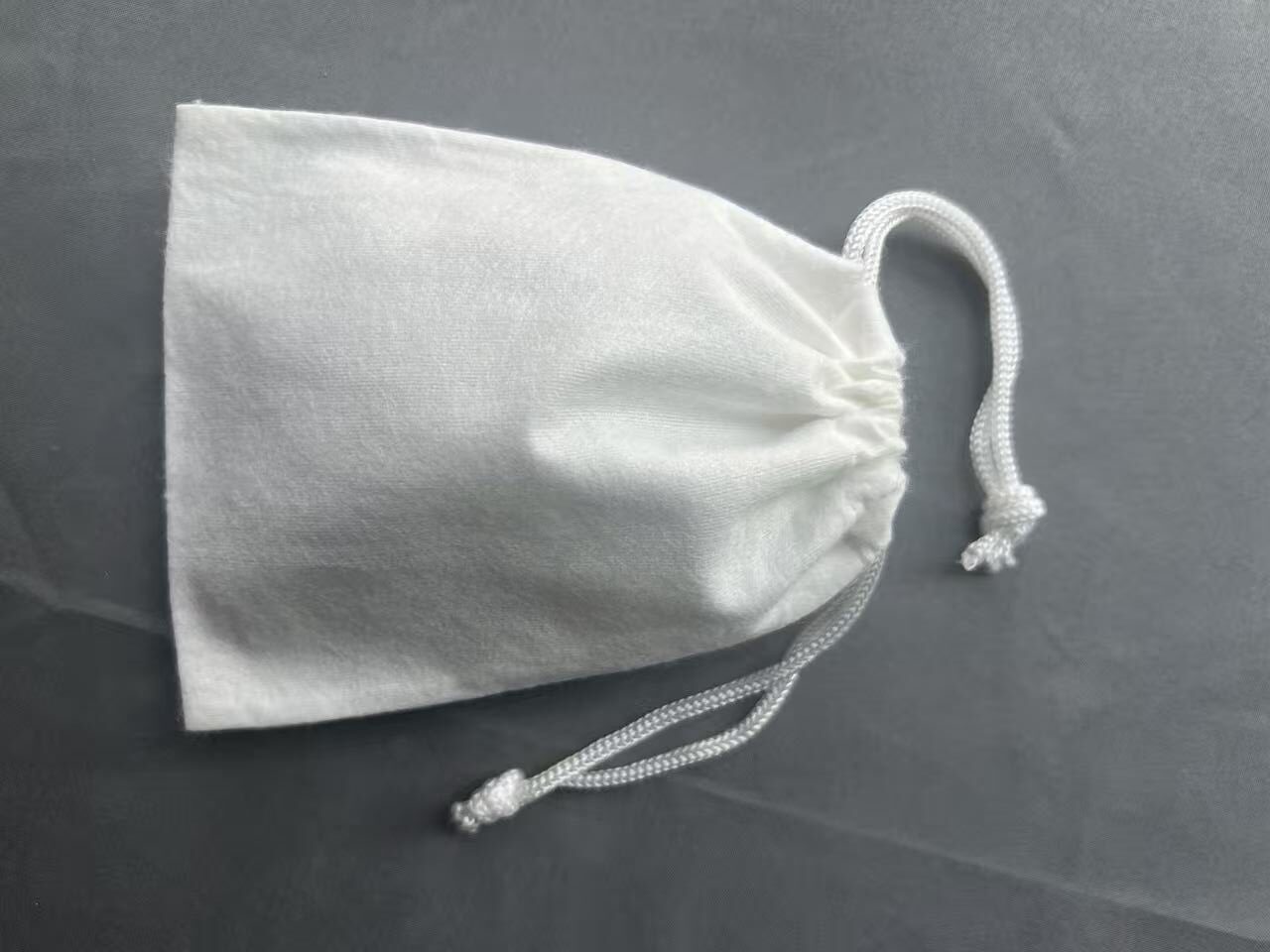
Our bamboo‑fibre biodegradable bags for compost deliver the performance advantages listed below:
| Performance Advantages | Features | Packaging Value |
| Natural Fibre Structure | Breathable & Moisture‑resistant | Reduce condensation‑caused product damage inside packages |
| Low Static Value | Dust‑proof & Anti‑static | Protect circuits from short‑circuit and avoid dust accumulation |
| Multi‑weight Fibre Fabric | Scratch‑resistant, shock‑proof, high load‑bearing | Reduce product damage risk via strong shock protection |
| Soft Touch & Premium Texture | Fit high‑end brand positioning | Upgrade brand image and deliver luxury unboxing experience |
| Reusable | Repeated utilisation | Fit product packaging and daily storage scenarios |
| Sustainable Eco‑Property | Circular sustainability | Support sustainable supply‑chain construction |
All points above explain why growing numbers of brand owners and distributors shift toward eco‑friendly packaging made of biodegradable and compostable bags. Bamboo‑fibre compostable packaging helps brands build market differentiation, set up sustainable supply chains and meet consumer demand for green packaging. For non‑woven style alternatives, turn to a qualified non woven biodegradable bags manufacturer.
Ⅵ: Summary and Consultation Guidance
1、All compostable bags qualify as biodegradable bags for compost, but not all biodegradable bags are true compostable products. Authentic compostable goods require strict composting certifications and lab test reports, while generic biodegradable items do not carry such mandatory requirements. Buyers must draw clear distinctions between biodegradable and compostable bags. Under cool, dry, ventilated warehouse conditions without direct sunlight, qualified products sustain stable usable performance for 12‑24 months, which answers the common question of how long do compostable bags last.
2、Please note: goods past nominal shelf‑life are not automatically unfit for use. If biodegradable bags for compost are consistently stored under cool, dry, shaded and ventilated surroundings, physical performance can remain excellent even beyond nominal shelf‑life. Therefore, you cannot judge validity merely by printed shelf‑life; comprehensive assessment combining actual storage environment and real physical condition of biodegradable and compostable bags is necessary.
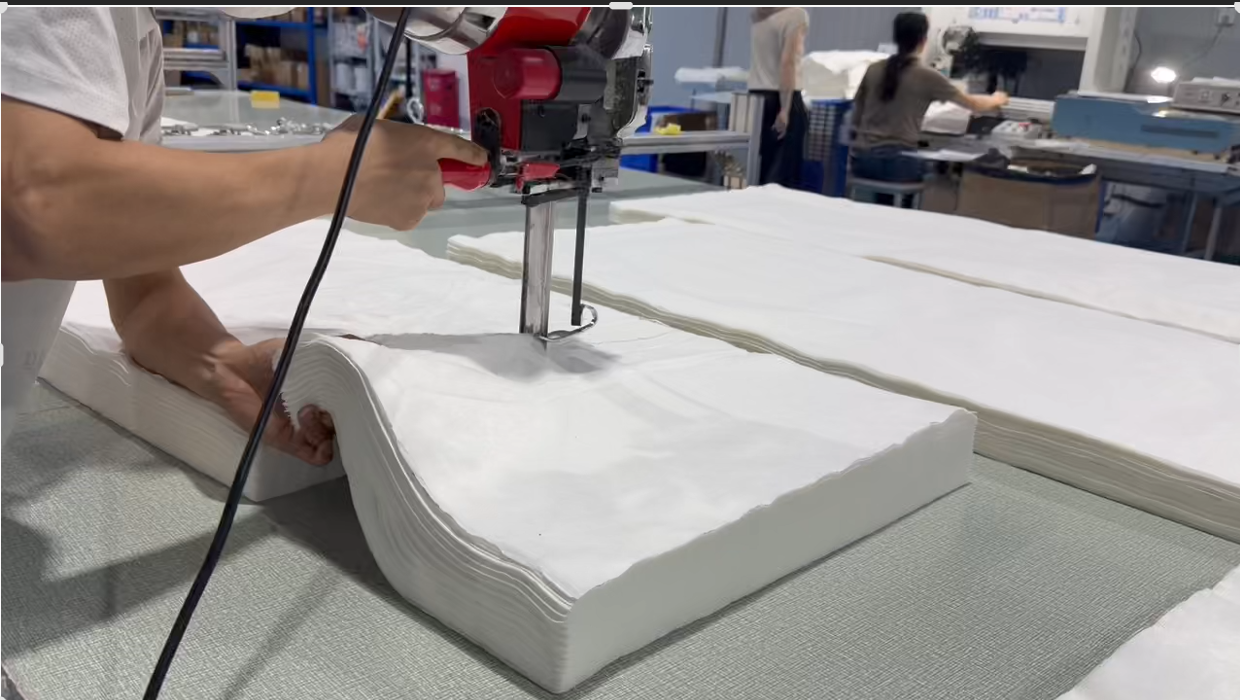
3、Our bamboo‑fibre compostable packaging portfolio holds complete certification and testing documentation. We provide EN13432 compostable certificates as well as third‑party test reports covering ROHS, REACH, PFAS and PPWR requirements. Our documents support brand owners and distributors to satisfy global market‑access rules and environmental legislation.
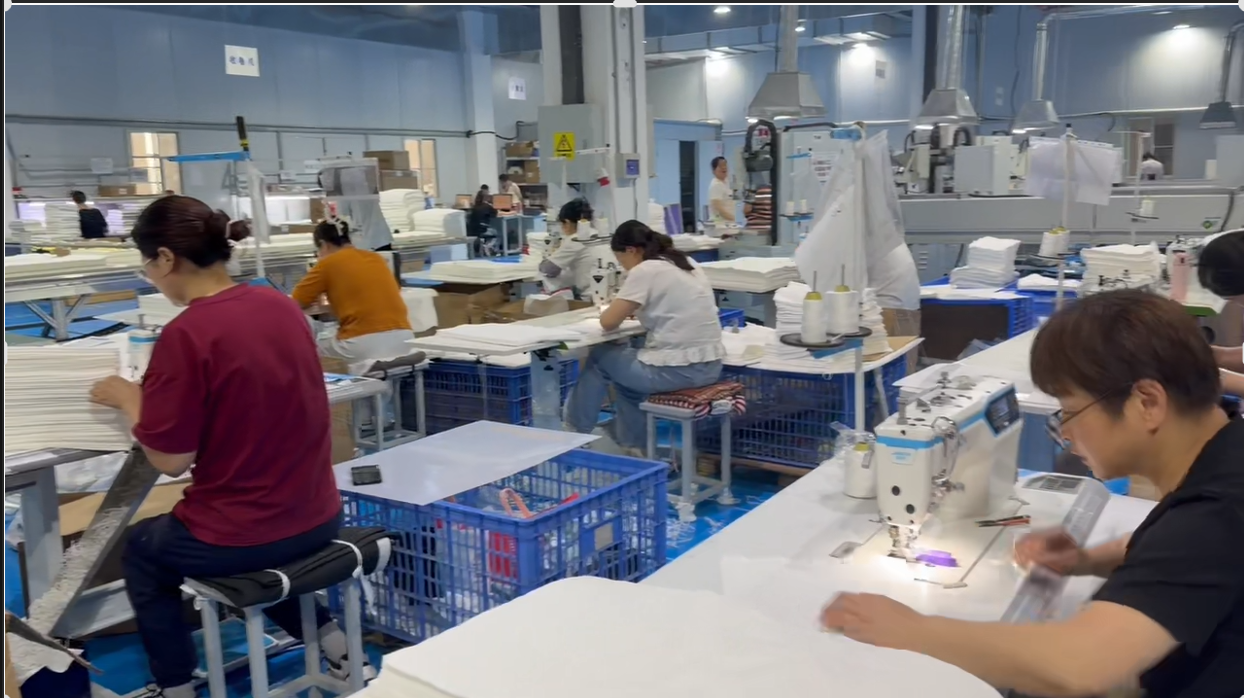
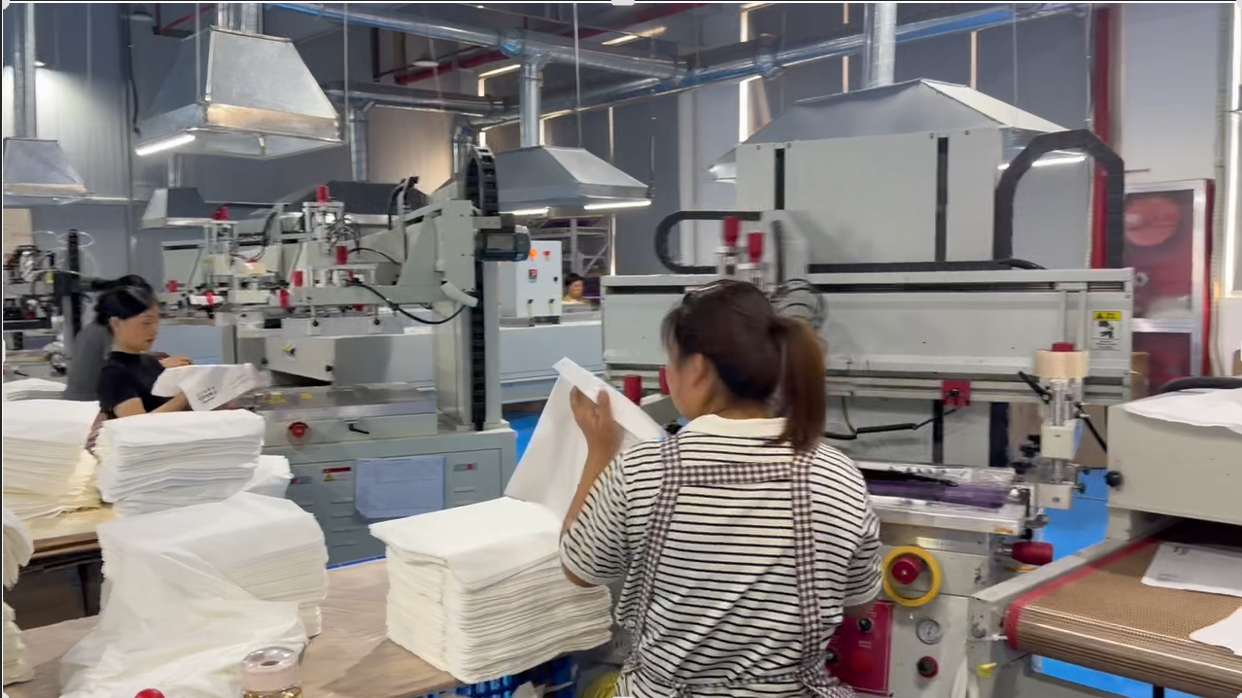
4、We deliver full‑range customisation covering material thickness, dimension specification, bag‑opening design and printing processes. We create tailored compostable packaging solutions balancing eco‑performance, functionality and premium texture. Get in touch with us for your personalised custom proposal!