
Over my years-long career within the sustainable-packaging sector, my biggest headache lies in helping newly-transitioned brand purchasers and eco-friendly distributors steer clear of common product pitfalls before formal cooperation gets underway.
Lately, many incoming inquiry clients keep raising several core questions while discussing green packaging solutions. Common enquiries cover why brands ought to switch to sustainable packaging, are compostable bags good for the environment, potential downsides of compostable packaging, plus the environmental merits of compostable bags. Many buyers lack foundational industry-related knowledge. Consequently, finished samples and bulk-ordered bags often fail to satisfy expectations. These missteps waste precious time and damage brand reputation among end-consumers. I have witnessed countless buyers fall into such blind-selection traps throughout this year.
Global plastic-restriction policies keep tightening across continents. Most notably, the EU Packaging and Packaging Waste Regulation (EU) 2025/40, also known as PPWR, has officially taken effect (https://eur-lex.europa.eu/eli/reg/2025/40/oj/eng). Recyclable, reusable and industrially-compostable packaging has turned into non-negotiable green requirements for European apparel and beauty brands, large-scale offline supermarkets, OEM brand collaborators and worldwide packaging distributors. Plenty of overseas dealers and brand owners stay unaware of compostable bags’ ecological strengths. are compostable bags bad for the environment frequently pops-up on their search list when they run into packaging-selection troubles.
This guide unpacks seven essential dimensions, covering environmental pros and cons of compostable sacks, composting conditions, full decomposition cycles, eco-friendly advantages, material matching tips, brand-level sustainability benefits, and standards for picking qualified compostable bags manufacturers.
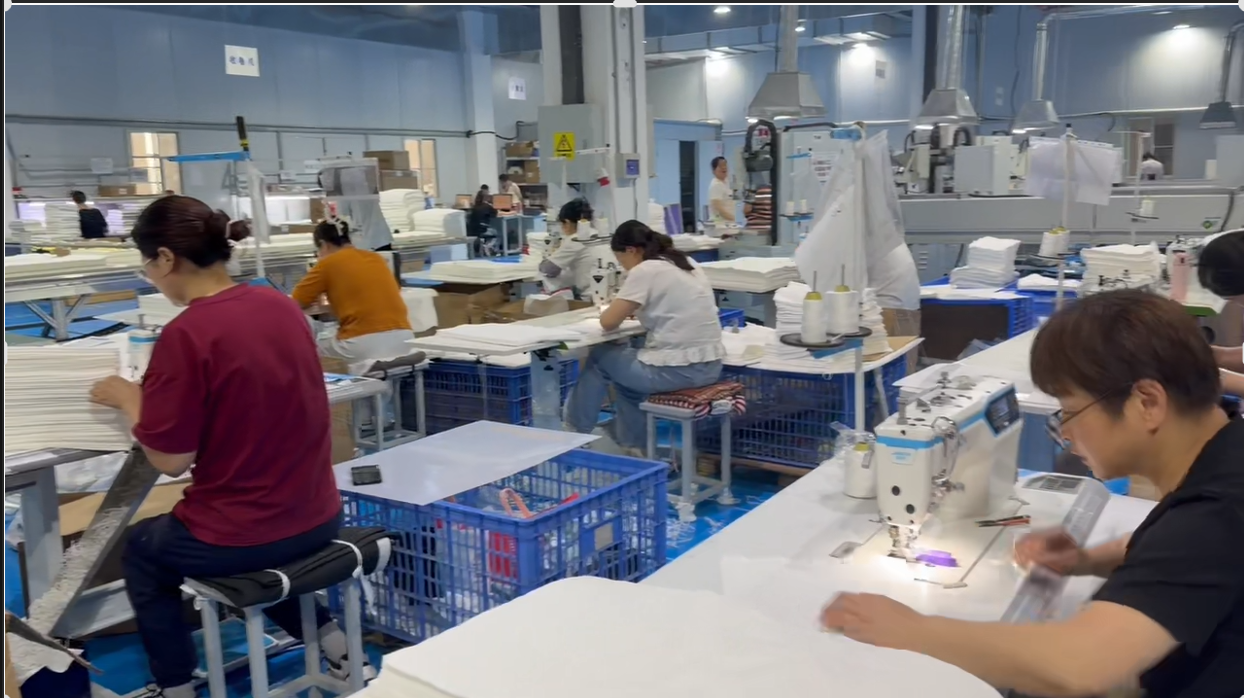
Table of Contents:
Ⅰ: Are Compostable Bags Environment-Friendly
Ⅱ: How Compostable Bags Operate
Ⅲ: Reasons Behind the Eco-Friendly Properties of Compostable Bags
Ⅳ: Match Unique Materials for Distinct Application Scenarios
Ⅴ: Benefits When Brands Adopt Compostable-Friendly Packaging
Ⅵ: Tips to Source Trustworthy Compostable Bag Producers
Ⅶ: Conclusion and Custom Consultation Guidance
Ⅰ: Are Compostable Bags Environment-Friendly
1、Can compostable bags count as sustainable packaging?
Compostable bags are manufactured from renewable plant-derived feedstocks. Compared against conventional petroleum-based plastic packaging, they represent far more sustainable packaging alternatives. Under qualified composting surroundings, they break down completely into naturally-occurring substances.
2、Residual substances left by decomposed compostable sacks
Many shoppers wonder are compostable bags better for the environment than disposable plastic sacks.After full-scale compost-based breakdown, certified compostable bags decompose into carbon dioxide, water, biomass and mineral substances. Unlike conventional plastic packaging, third-party validated compostable sacks produce zero toxic leftovers or microplastic waste once decomposed.
3、Composting Environment Comparison Table
| Conditions | Industrial Composting | Home Composting |
| Temperature | Sustained high heat between 55-70℃ | Ambient 20-40℃ without stable high temperature cycles |
| Microbe Environment | Thermophilic specialized bacteria engineered to break down industrial-grade compostable materials | Ordinary room-temperature microbes that only process simple organic waste |
| Oxygen Supply | Full aerobic environment with forced air ventilation | Weak aerobic setup that merely relies on natural air permeability |
| PH Value | Stable neutral PH ranging 6.5-7.5 | Dramatic PH fluctuation and unstable surroundings |
Ⅱ: How Compostable Bags Operate
Many first-time green-packaging buyers search how do compostable bags work before submitting formal RFQ requests.
1、Raw Material Breakdown
| Compostable Raw Material | Material Source | Core Traits | Common Application Fields |
| PLA | Corn starch, sugarcane and alternative plant-based resources | Renewable plant feedstock, outstanding transparency, industrially compostable | Food-grade wrappers, transparent packaging sacks, single-use consumer packaging |
| PBAT | Biodegradable polyester raw material | Superior softness, strong durability, frequently blended alongside PLA | Shopping sacks, waste-collection bags |
| Starch-based Substances | Cassava, wheat, potato and corn starch | Natural plant-derived composition, excellent biodegradable capacity | Disposable sacks and lightweight packaging |
| Bamboo Fibre | Fast-growing bamboo vegetation | Rapid-renewable natural plant fibre, organic grain texture, premium-grade tactile appearance | Electronic-product packaging, brand-custom wrappers and luxury-goods packaging |
Our bamboo-fibre compostable fabric sacks are manufactured from fast-regenerating natural plant fibres with inherent textured fabric surfaces. Below is the head-to-head comparison against conventional petroleum-plastic packaging:
| Bamboo-Fibre Compostable Fabric Bags | Traditional Plastic Packaging |
| Fast-renewable natural plant-based fibre resources | Fossil-fuel petroleum raw materials |
| Rapidly decomposes and returns to nature inside qualified compost environments | Turns into permanent plastic waste resistant to natural breakdown |
| Premium-looking texture elevates brand aesthetics and brand identity | Fails to deliver high-end brand-display effects |
| Decomposition output fuels closed-loop ecological circulation | Hard-to-recycle waste that harms the natural ecosystem |
2、Manufacturing Workflow for Compostable Bags
Read our detailed production process introduction via our hyperlinked blog post compostable bag manufacturing workflow guide (https://bamhawkbio.com/blog-compostable-bags-manufacturing-process/)
3、Full Decomposition Process of Distinct Raw-Material Types
| Material | Primary Ingredient | Breakdown Mechanism | Post-decomposition Remnants |
| PLA | Renewable plant-sourced polymer | Hydrolysis fractures polymer chains before microbes split large-scale molecules | Carbon dioxide, water and biomass |
| PBAT | Biodegradable polyester polymer | Microbial colonies break down biodegradable polyester molecular frameworks | Carbon dioxide, water and biomass |
| Bamboo Fibre | Natural plant cellulose | Microbes digest natural cellulose fibre | Carbon dioxide, water, biomass and mineral deposits |
Bamboo-fibre materials feature decomposition cycles identical to natural ecological circulation.
In contrast, PLA and PBAT materials first need polymer-chain hydrolysis under suitable temperature-humidity conditions before microbes finish biodegradation. First-time buyers regularly google how do compost bags work to grasp this difference.
Ⅲ: Reasons Behind the Eco-Friendly Properties of Compostable Bags
1、Renewable Plant-Based Raw-Material Sources (PLA, PBAT and Bamboo Fibre)
| Raw Material | Source | Ecological Advantages |
| Bamboo Fibre | Bamboo vegetation | Ultra-fast-renewable natural plant fibre material |
| PLA | Sugarcane and corn starch | Plant-based feedstock that lowers our reliance on fossil-fuel plastics |
| PBAT | Biodegradable polyester compound | 100 percent biologically degradable packaging material |
2、Authoritative Eco-Friendly Compostability Certifications
| Certification Name | Target Market | Core Certification Objective |
| EN13432 | EU | Validates industrial composting performance for packaging goods |
| BPI | US | Certifies packaging’s industrial compost-degradation capability |
3、Recap of Compost Breakdown Mechanism
| Material | Primary Ingredient | Breakdown Mechanism | Post-decomposition Remnants |
| PLA | Renewable plant-sourced polymer | Hydrolysis fractures polymer chains before microbes split large-scale molecules | Carbon dioxide, water and biomass |
| PBAT | Biodegradable polyester polymer | Microbial colonies break down biodegradable polyester molecular frameworks | Carbon dioxide, water and biomass |
| Bamboo Fibre | Natural plant cellulose | Microbes digest natural cellulose fibre | Carbon dioxide, water, biomass and mineral deposits |
Ⅳ: Match Unique Materials for Distinct Application Scenarios
| Raw-Material Blend | Suitable Usage Scenarios | Functional Strengths |
| PLA/PBAT Composite | Shopping sacks and disposable-use wrappers | Stiffness, flexibility, lightweight build and strong tear-resistance |
| Starch-based Material | Food-related packaging solutions | All-natural plant-derived composition |
| Bamboo-Fibre Material | Electronics packaging, branded custom wrappers and luxury-item sacks | Upscale texture, gentle hand-feel and enhanced service life |
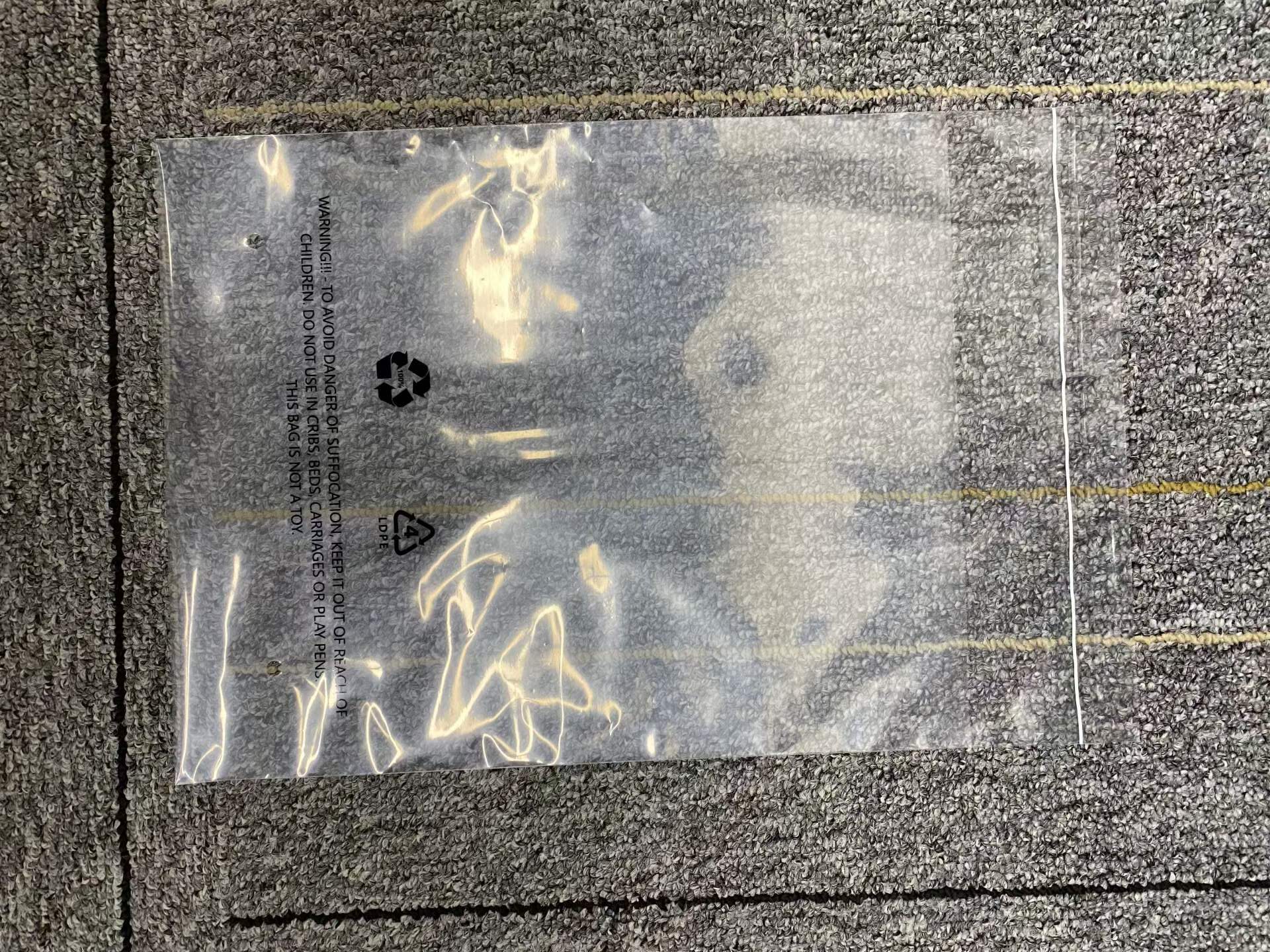
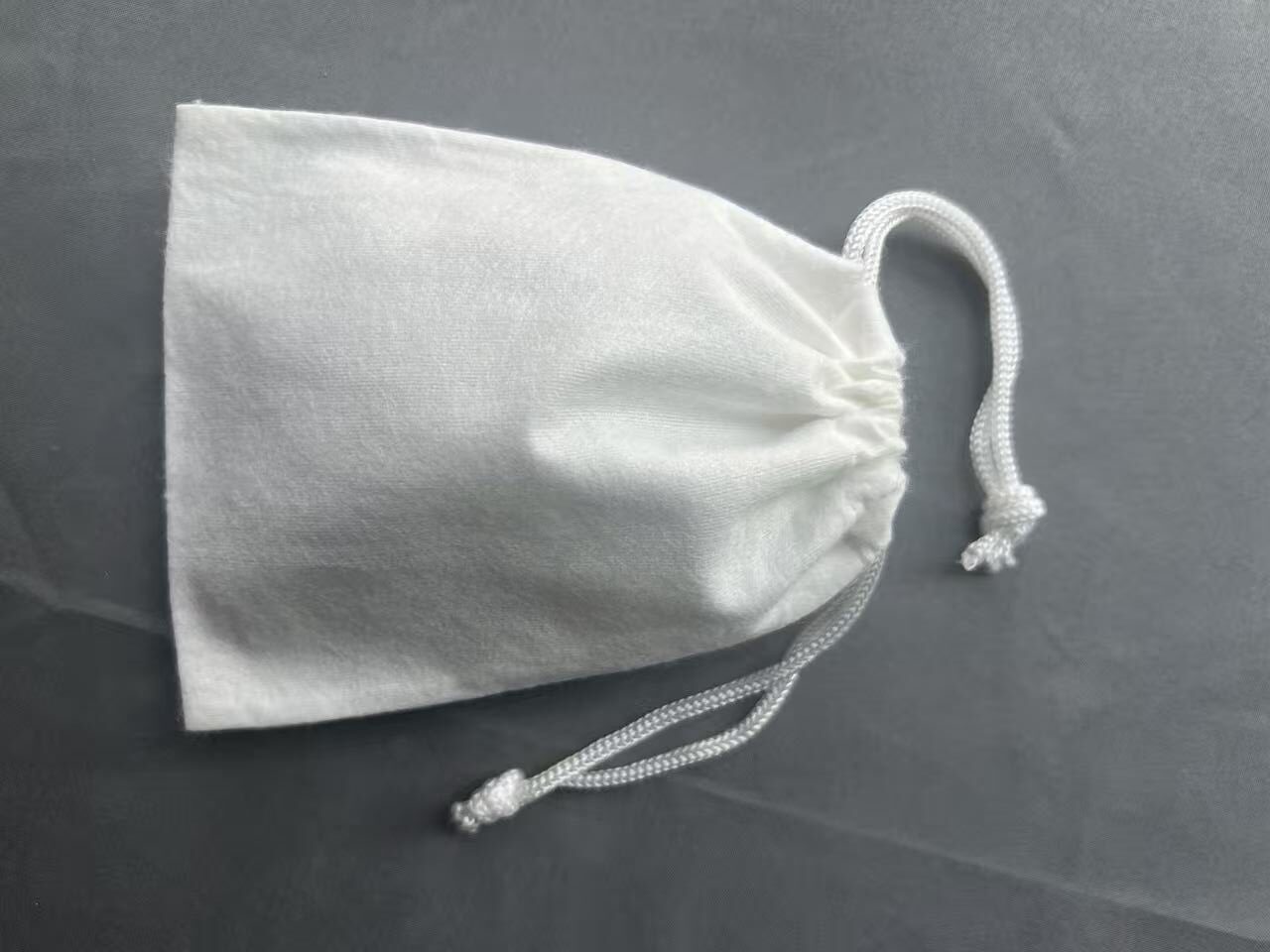
Packaging material selection is dictated by your finished-product functional demands. Purchasers need to pick matched raw-material combinations based on real-world application settings, to obtain multi-functional sustainable packaging balancing practical performance, eco-compliance and premium brand value.
Ⅴ: Benefits When Brands Adopt Compostable-Friendly Packaging
1、Upgrade Overall Brand Image
Persistent non-degradable plastic waste from conventional packaging burdens global ecosystems long-term. Switching over to certified compostable packaging cuts fossil-plastic dependency. Its harmless decomposed by-products (carbon dioxide, water, biomass and mineral substances) successfully circulate back into the natural ecosystem.
Compostable packaging also acts as tangible medium that communicates corporate sustainability missions to consumers, publicly showcasing your brand’s environmental-protection accountability. Additionally, the soft touch, organic grain texture and premium visual appeal of compostable sacks deliver a premium unboxing experience for buyers. This sharpens brand differentiation and boosts market competitiveness.
2、Skyrocketing Market Demand for Sustainable Packaging
Global plastic-ban regulations and green-compliance policies keep tightening. Reusable, recyclable and industrially-compostable packaging has turned into mandatory green-packaging specifications for international brand owners and eco-packaging distributors. Seek dependable supply support from qualified eco friendly bags suppliers.
3、Improve Consumer Recognition and Brand Loyalty
Modern-day shoppers assess both product quality and corporate sustainability commitments before checkout. Certified compostable sacks break down into harmless natural ingredients inside proper compost-processing environments, lowering long-term environmental footprints and enabling closed-loop material circulation.
Their soft tactile feel and upscale-grade texture optimise customer unboxing satisfaction. Compostable packaging communicates your brand’s environmental-protection values, strengthens consumer trust and cultivates long-run brand loyalty.
Ⅵ: Tips to Source Trustworthy Compostable Bag Producers
1、Complete System of Industry Certifications
Reliable long-term compostable-bag suppliers should supply full compostability certifications for raw materials and finished sacks. Third-party lab test reports covering ROHS, REACH and PFAS-free compliance are also mandatory. Comprehensive certification paperwork satisfies international regulatory standards, guarantees product safety and cuts long-term procurement risks.
2、Flexible OEM & ODM Custom-Making Capacity
Your long-term cooperative manufacturer needs robust custom-production capabilities. That covers OEM/ODM personalised manufacturing, custom-printed brand logos, plus adjustable bag thickness and dimension adjustments to satisfy multi-scenario packaging requirements.Reach out to custom eco friendly bags manufacturer for bespoke packaging projects.
3、Standardised Production-Line Protocols
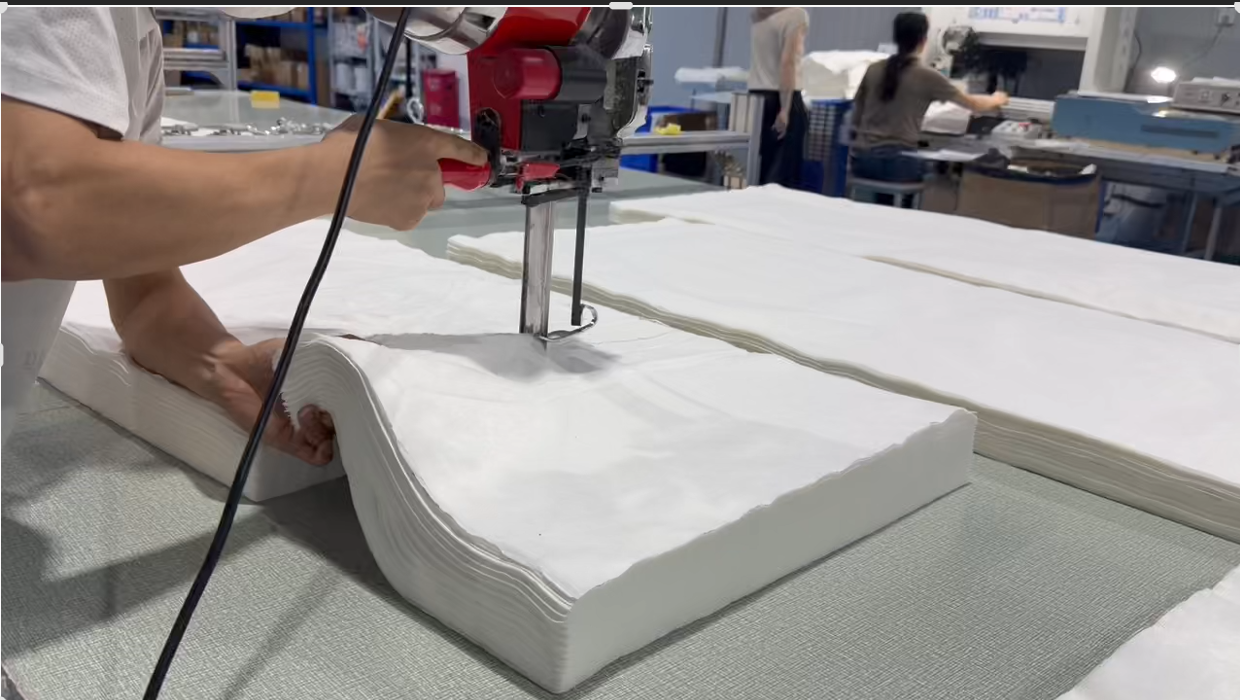
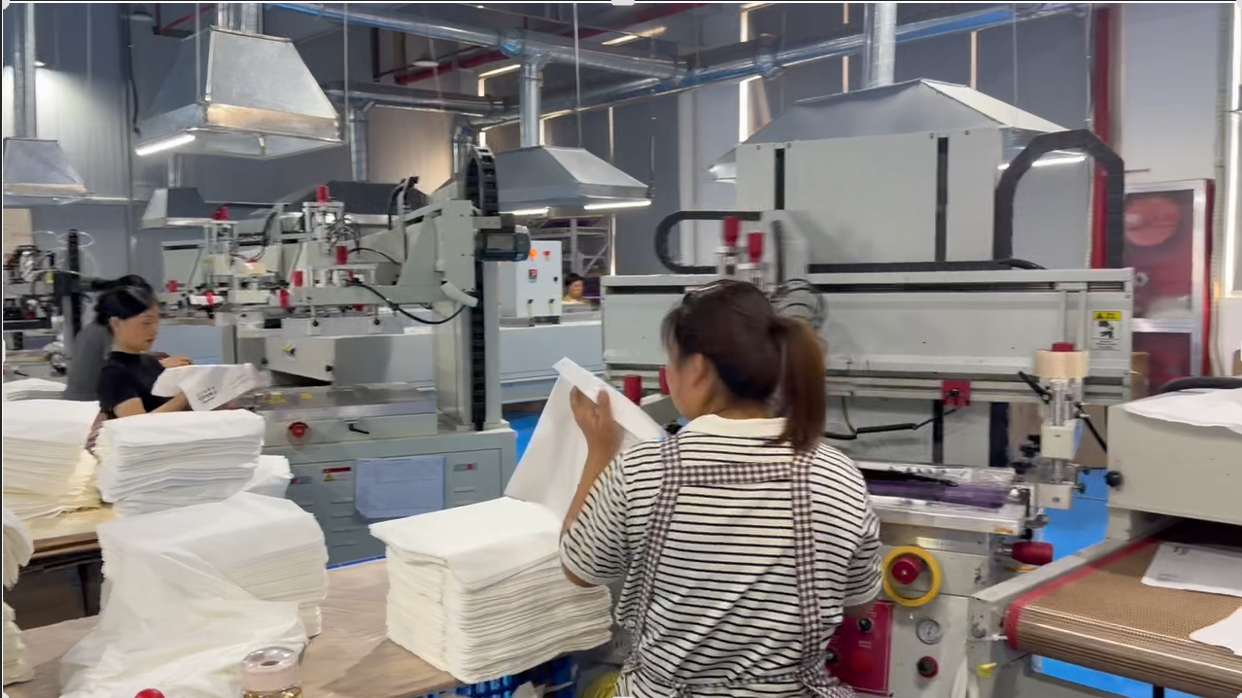
Visit our dedicated production-process blog post compostable bag standardized production introduction (https://bamhawkbio.com/blog-compostable-bags-manufacturing-process/) to go through our complete manufacturing workflow.
As a specialised compostable-bag factory, we deliver professional OEM and ODM custom-made packaging solutions for global eco-packaging distributors and brand-side procurement officers.
Ⅶ: Conclusion and Custom Consultation Guidance
1、Analysis of raw-material composition and compost-decomposition cycles proves compostable-friendly sacks constitute outstanding sustainable-packaging choices. Their harmless decomposed residues flow straight back to the natural ecosystem. When brands and distributors deploy compostable packaging, they broadcast corporate sustainability-focused values to end-users. Premium-grade texture and soft hand-feel optimise consumer experience, build-up public trust and strengthen brand loyalty.
2、Our factory is an established compostable-bag producer following rigid standardised-production workflows. We own full-set international compliance certifications and mature OEM/ODM custom-order capabilities. We supply transparent certification documents, authoritative lab-inspection reports and scenario-tailored custom packaging schemes to worldwide clients.