
Many buyers new to the compostable packaging industry run into similar challenges when sourcing standard compost bag size. Without sufficient procurement experience, yet overlook critical fit‑related factors. They may also struggle with questions around bag of compost cost, bag of compost weight, and whether compostable bag bespoke solutions are available for their goods. This misstep frequently leads to poor packaging outcomes.
A men’s wallet brand from Brazil once purchased 50 samples using a generic standard compost bag size. Upon receipt, they found the bags excessively loose around their products. The sloppy fit ruined the premium presentation, giving items a cheap visual impression. Such procurement pitfalls stem from wrong sizing, improper thickness or poor bag‑type selection. Ignoring bagged compost practical usage scenarios will bring unexpected problems.
This article covers five core dimensions: sizing guidelines, pricing drivers, gram‑weight performance, customisation options and practical purchasing advice. It helps global buyers select suitable packaging and cut trial‑and‑error expenses.

Table of Contents:
Ⅰ. Why Proper Sizing Matters for Compostable Bags
Ⅱ. How to Pick the Right Bag Dimensions
Ⅲ. Performance Differences Across Various Gram Weights
Ⅳ. Diverse Custom Solutions for Compostable Bags
Ⅴ. Summary & Consultation Guide
Ⅰ. Why Proper Sizing Matters for Compostable Bags
Drawing from our experience supporting global brand owners, picking appropriate dimensions for your compostable bags impacts not only visual appeal but also product protection and logistical efficiency.Many buyers fixate only on bag of compost cost, overlooking how sizing changes total value.
1、Rising Corporate Demand for Sustainable Packaging Solutions
The PPWR regulation, effective August 12, 2026, targets cutting plastic packaging waste, boosting recyclability and promoting renewable material adoption. Different product categories cannot rely solely on a one‑fits‑all standard compost bag size.Even when you reference a widely‑accepted standard compost bag size, product shape still requires fine‑tuning.
2、Key Factors Shaping Procurement Decisions
①Size: Footwear, bags, electronics and accessories each call for distinct bag dimensions. Too large creates slack packaging; too small causes squeezing and surface abrasion.
②Fabric gram weight (thickness): Gram weight defines tensile strength, tear resistance and softness. Higher gram weight delivers stronger protection at a higher bag of compost cost. You also need to take bag of compost weight into account for logistics calculation.
③Bag style: Drawstring, flap‑over and other structures serve different functional purposes. When pursuing compostable bag bespoke, you can combine sizing, gram weight and structure together.
3、Why Can Compostable Bags Be a Sustainable Alternative to Traditional Plastic Packaging?
| Key Replacement Area | Sustainability Value |
| Materials | Made from rapidly renewable and compostable materials, reducing reliance on fossil-based plastics. |
| Applications | Can be used as an alternative to traditional plastic dust bags, storage bags, inner bags, and protective bags. |
| Lifecycle | Certified compostable bags can break down under appropriate composting conditions into water, carbon dioxide, biomass, and other natural components, providing an alternative end-of-life pathway that supports the natural cycle. |
| Business Value | Helps brands communicate their environmental commitment and support their sustainable packaging goals. |
Ⅱ. How to Pick the Right Bag Dimensions
1、Commonly Used Dimensions by Industry
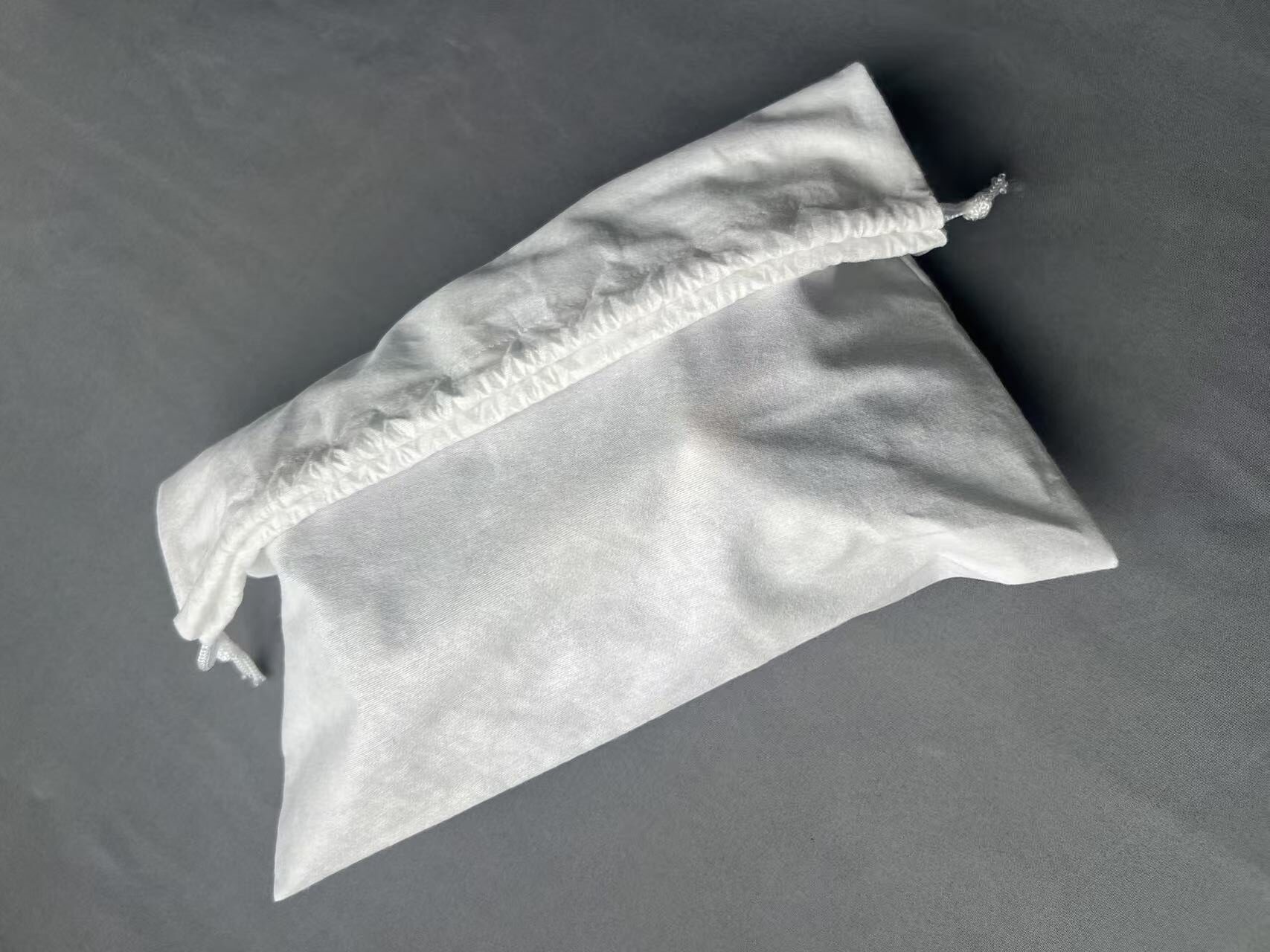
<1>Footwear – Drawstring Bags
Recommended sizes: 35×45cm, 40×50cm,45×45cm, 45×60cm
Rationale:
①Matches most footwear packaging requirements
②Offers sufficient room for shoes of varying lengths
③Drawstring design enables easy access and storage
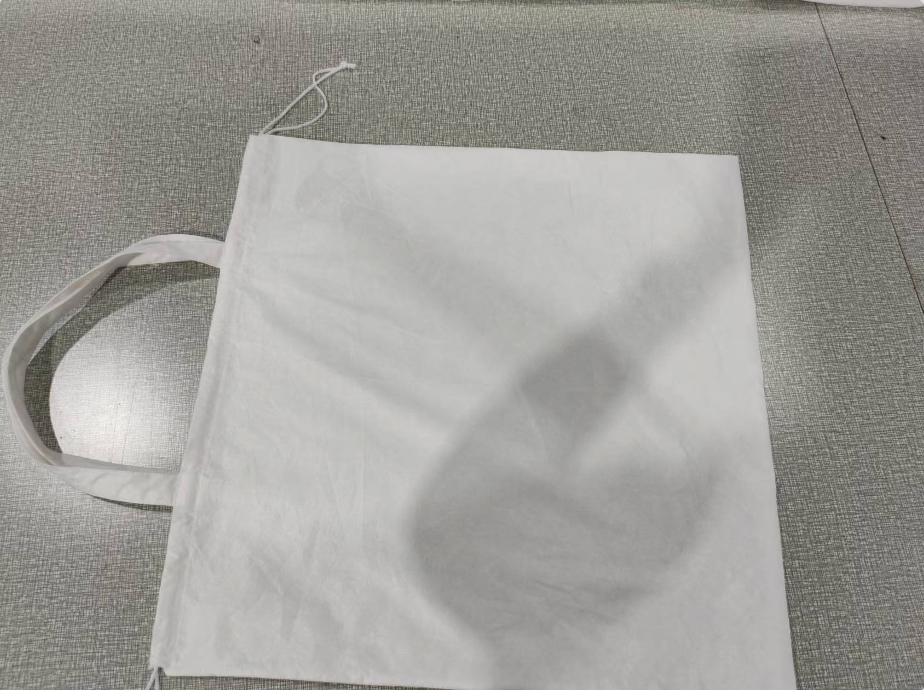
<2>Luxury Bags – Drawstring Bags & Drawstring Hand‑carry Bags
Recommended sizes: 30×30cm, 35×45cm, 40×50cm,45×45cm, 45×60cm
Rationale:
①Accommodates most handbag and luggage profiles
②Reserves appropriate spare space without excessive looseness
③Drawstring structure keeps dust away for long‑term storage
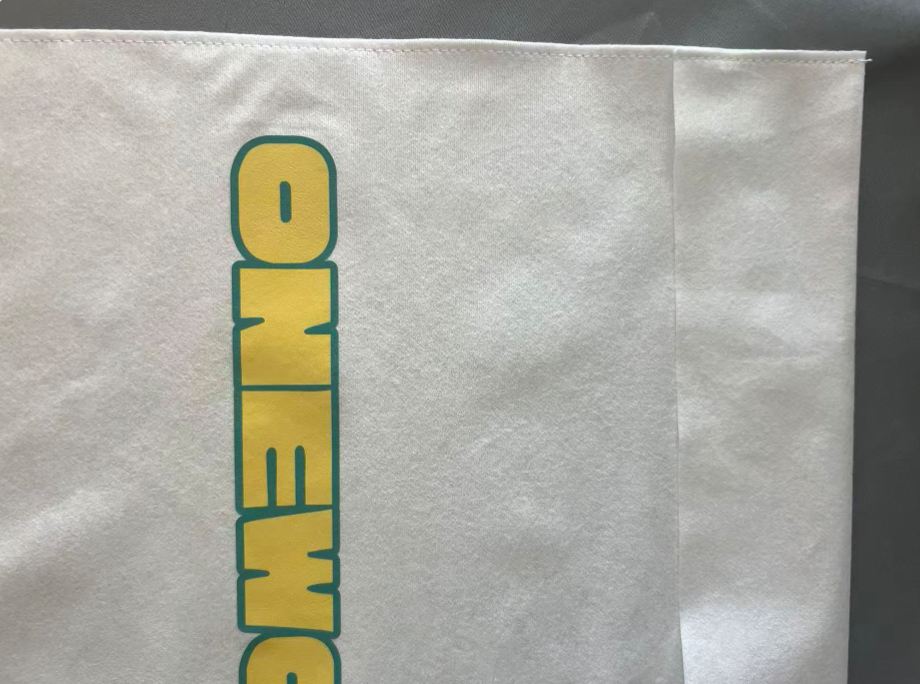
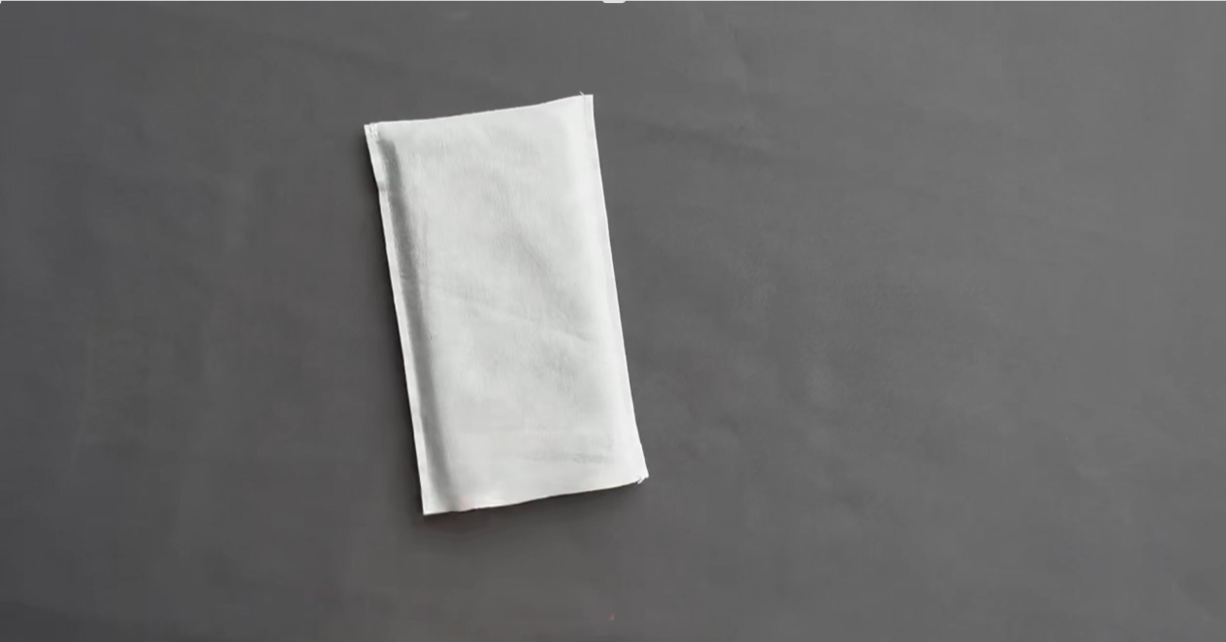
<3>Apparel Brands – Fold-Over Dust Bag
Recommended sizes: 35×45cm, 40×50cm, 45×60cm, 50×70cm
Rationale:
①Works well for T‑shirts, hoodies, suits and other apparel items
②Leaves reasonable extra space for folded garments
③Flap‑over opening prevents goods from slipping out while keeping bag of compost cost competitive. If you select compostable bag bespoke, you can further optimise material consumption.
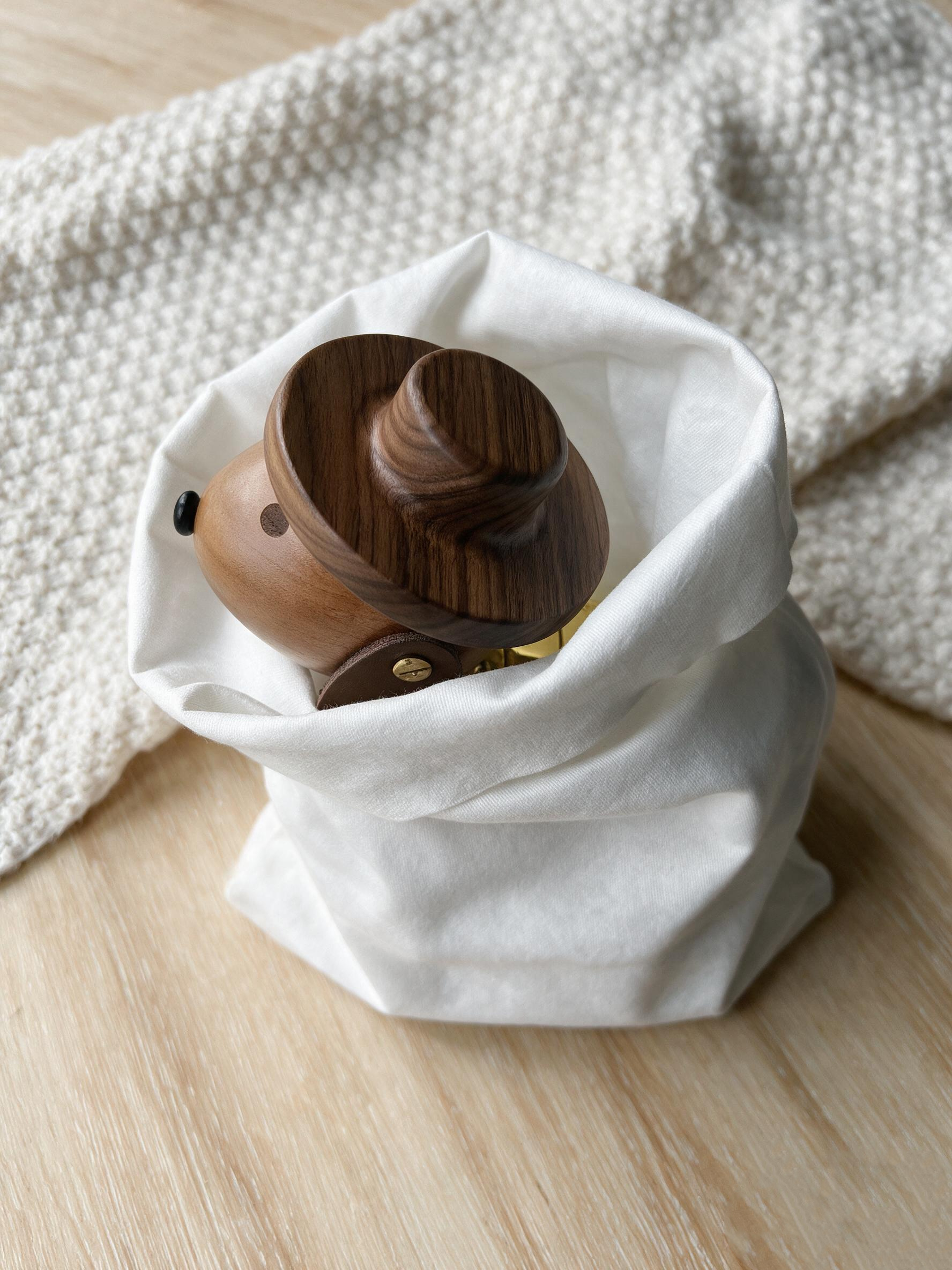
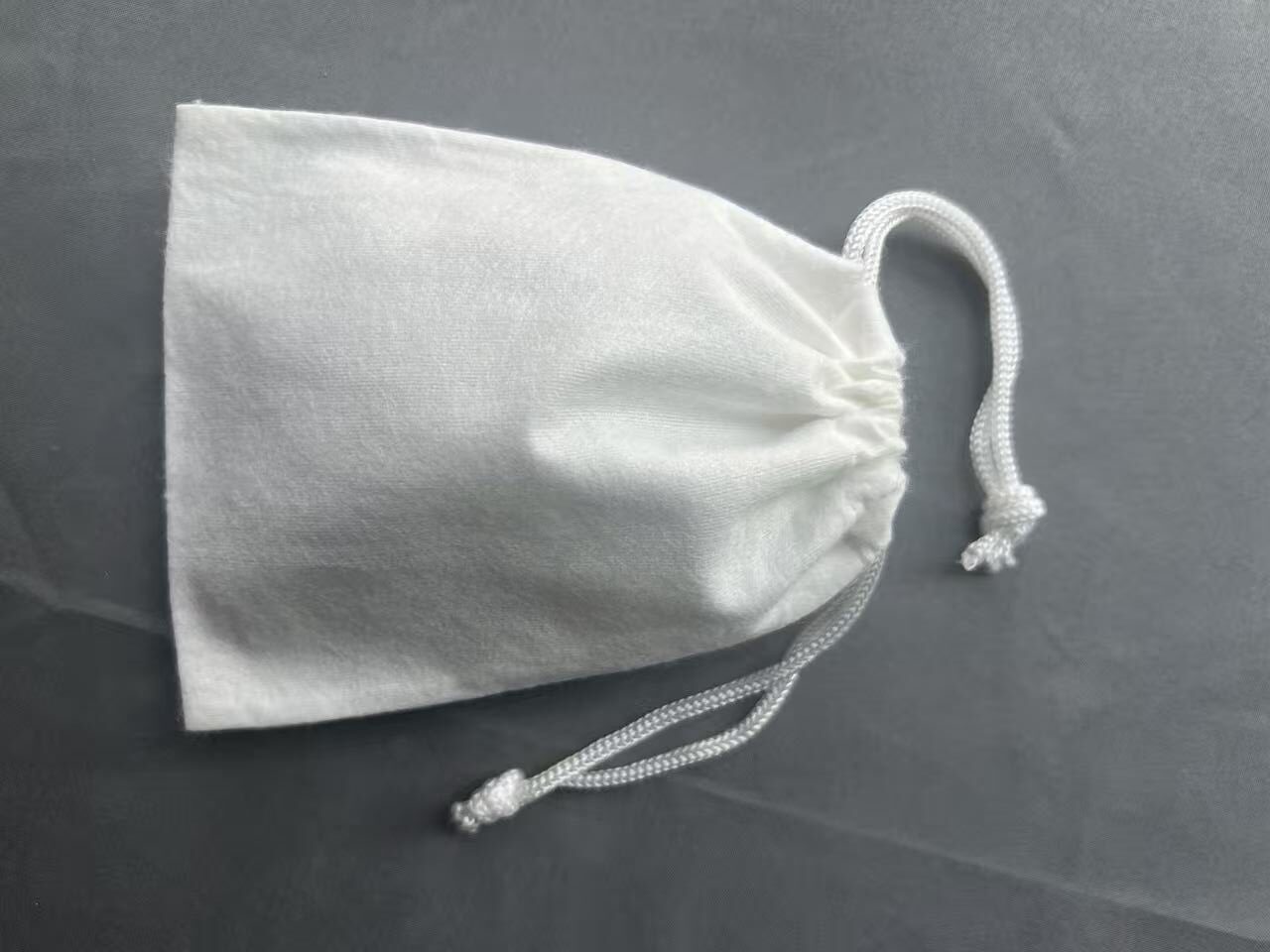
<4>Premium Accessories & Business Gifts– Drawstring Bags
Recommended sizes: 10×12cm, 10×15cm, 12×15cm, 15×18cm
Rationale:
①Suits most brand accessories and small gift articles
②Provides proper clearance for assorted small‑format goods
③Drawstring closure supports convenient daily storage
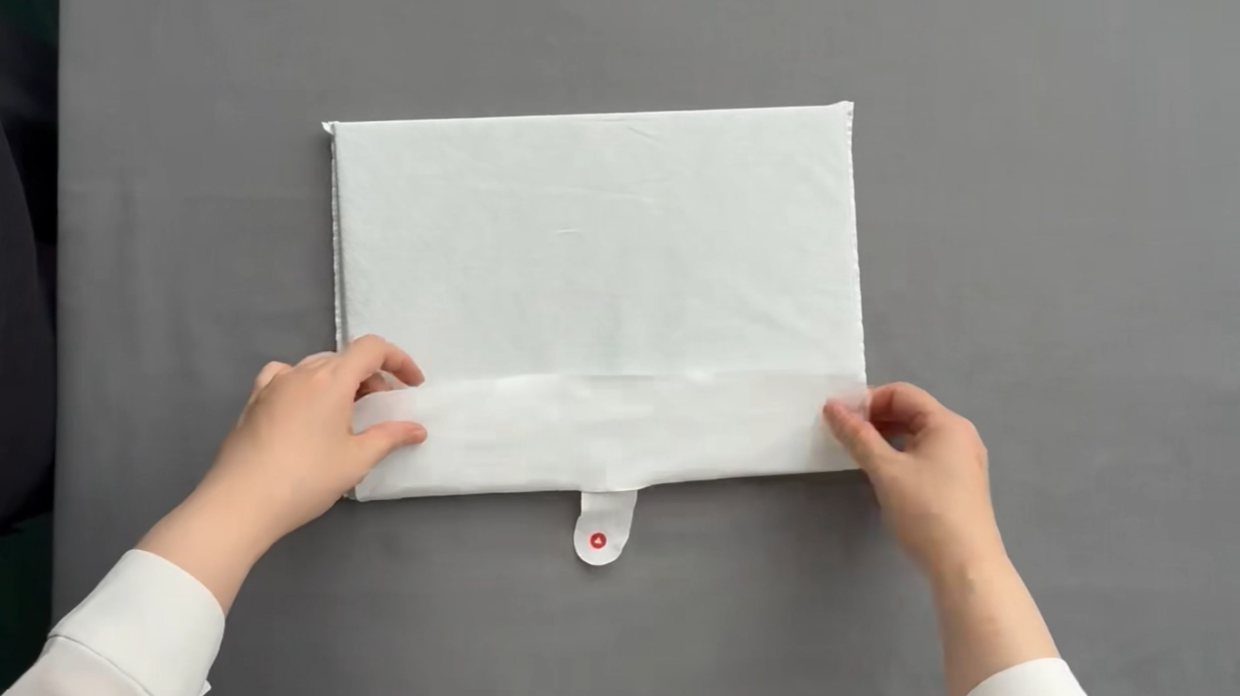
<5>Electronic Products
Requirement: Fully custom‑built dimensions
Key demands for electronics (especially laptops): snug fit, scratch resistance, impact mitigation
①Well‑fitted bags stop shifting, collision and scratching during transit
②Flap‑over design delivers reliable dust and dirt protection
You should consult compostable bags manufacturers to confirm technical feasibility before mass orders.
2、Why Luxury Brands Frequently Choose Custom Dimensions
Custom dimensions strike optimal balance among product protection, unboxing experience and material utilisation. Generic standard compost bag size can hardly satisfy high‑end positioning. Even when generic options meet basic compostable bag standards, they often fail premium aesthetic requirements.
①Precise Product Matching: Off‑the‑shelf sizes tend to be either too big or too small. Custom‑sized bags deliver perfect product fit.
②Enhanced Item Protection: Undersized bags cause squeezing friction; oversized ones let goods shift and rub inside. Custom dimensions lower risks of scratches, peeling and colour fading in transit.
③Reduced Material Waste: Over‑large bags consume more raw fabric and raise overall expenditure. Customisation balances packaging performance and total expense. When calculating bag of compost weight, less material also lightens unit weight.
④Elevated Unboxing Moment: Luxury brands prioritise consumer unboxing feeling. Well‑calibrated sizing creates premium visual impressions upon opening.
⑤Avoid Cheap‑Looking Presentation: Excessively large bags look floppy; undersized ones appear cramped. Custom sizing strengthens consumers’ brand perception.
⑥Enable Brand Differentiation: Through compostable bag bespoke adjustments on dimension, bag shape and printing, brands build exclusive packaging aligned with market positioning.

Ⅲ. Gram‑Weight Selection for Bamboo‑Fibre Compostable Bags: Performance Gaps Between Different GSM
1、What Does Gram Weight Mean
Fabric gram weight, or thickness, is a core metric influencing softness and protective performance of bamboo‑fibre compostable bags.
Different gram weights yield varying softness, toughness, load‑bearing capacity and tear resistance.
Higher GSM brings stronger loading capacity, superior toughness, better tear resistance and longer reusability. Light‑weight material offers baseline protection for light articles such as scarves and clothing.
Buyers should select gram weight according to product weight, protection requirements and unboxing experience, instead of treating bag of compost cost as the sole decision factor. You may source sample sets from eco friendly bags suppliers for side‑by‑side comparison.
2、Performance Comparison Across Our Bamboo‑Fibre Fabric GSM Options
| Fabric GSM | Softness | Protection Level | Cost | Typical Applications |
| 50GSM | Soft & lightweight | Basic‑level protection | Low | Light‑weight goods, small accessories |
| 65GSM | Soft & structured | Solid daily‑use protection | Medium | Footwear, bags, apparel, electronics, retail shopping |
| 90GSM | Soft with premium texture | Excellent scratch & tear resistance, high‑grade protection | High‑end | Luxury bags, premium footwear, business gifts, home appliances |
When selecting bamboo‑fibre compostable bags, buyers should take brand positioning, product weight, protection needs, target audience and unboxing experience into consideration. Do not focus purely on price.
Ⅳ. OEM / ODM Packaging Solutions for Diverse Industry Needs
We deliver end‑to‑end custom services: product application analysis, design iteration, sample development and mass manufacturing. Reach out to compostable small bags manufacturer if your project focuses on tiny‑format packaging. For drawstring‑focused projects, turn to eco friendly drawstring bags manufacturer.
1、Application Analysis
Before placing orders, define usage scenarios and protection requirements for bamboo‑fibre compostable bags. These bags serve luxury bags, footwear, apparel, business gifts, electronics and home appliances. Each industry holds distinct expectations for brand positioning, protection performance, loading capacity, texture and consumer unboxing experience. Purchasers need to match bag style, dimension and gram weight with product characteristics.
2、Design Communication
Once application analysis completes, move on to design alignment. Our team creates technical drawings based on your requested bag dimension, style, logo print size and placement. We confirm overall visual layout and logo display area to guarantee final output satisfies packaging and branding goals.
3、Sample Production
Buyers must request physical samples from manufacturers for validation. Verify thickness, dimensions, closure mechanism, printing quality and real‑world packaging performance using samples. This step secures consistent quality and brand presentation for follow‑up mass‑volume production.
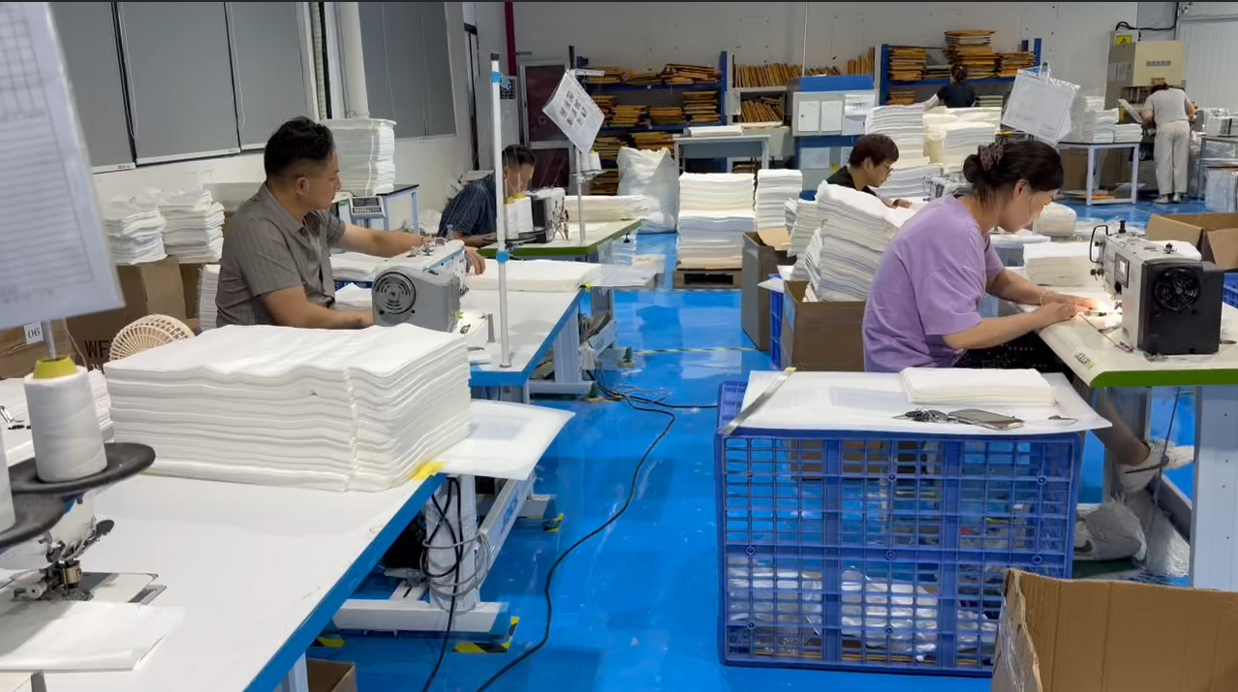
4、Mass‑Volume Manufacturing
Many distributors worry about consistent quality during large‑batch runs. Beyond sample confirmation, purchasers should audit suppliers’ mass‑production capability, customisation competence, quality control protocols and on‑time delivery track record. Discuss quality assurance measures and competitive bulk pricing with your vendor.
In short: Before procurement, analyse application scenarios and protection demands to lock suitable material specifications. Always validate samples and assess manufacturer mass‑production capacity.
Our factory develops tailored bamboo‑fibre compostable packaging matched to each industry’s brand positioning. We strike ideal balance among functionality, visual quality and environmental performance.
Ⅴ. Summary and Consultation Guide
1、Bamboo‑fibre compostable bags do not have universal standard compost bag size. Most orders rely on compostable bag bespoke, including material composition, bag shape, dimension and closure style. Final bag of compost cost depends mainly on fabric GSM, bag dimension and printing requirements. Different custom configurations create different bag of compost weight.
2、If you intend to order compostable bag bespoke bamboo‑fibre bags, please share product application, target dimensions, bag style and logo files. Our team will recommend suitable fabric gram weight and design concepts for you. Get your exclusive brand packaging solution by contacting us today!